

Bunions are a common foot deformity that develops when the joint at the base of the big toe shifts out of alignment. This condition can cause pain, swelling, stiffness, and difficulty wearing shoes. At Illinois Podiatry Specialists, we provide personalized bunion treatment plans to relieve discomfort and restore foot function.
The Condition
Bunions are bony prominences that form at the base of the big toe, resulting from the misalignment of the joint. They typically develop over time due to inherited foot types, foot stress, or wearing ill-fitting shoes. This misalignment causes the big toe to push against the other toes, leading to discomfort, inflammation, and sometimes severe pain. At Illinois Podiatry Specialists, we offer effective solutions to manage bunions and improve foot function.
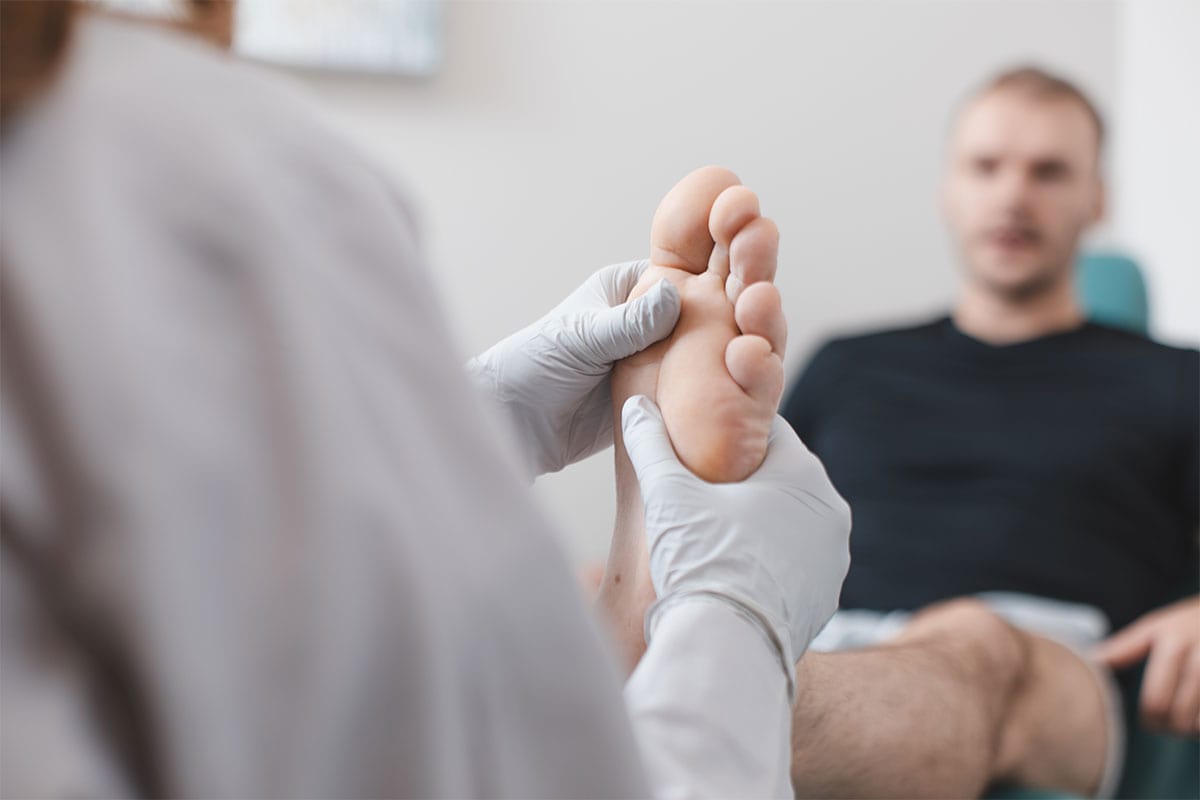
Signs and Symptoms:
Bunion symptoms can vary from mild to severe and may include:
-
A visible bump at the base of the big toe
-
Pain or tenderness around the joint
-
Redness, swelling, or inflammation
-
Limited movement of the big toe
-
Difficulty finding comfortable footwear
Early treatment can help prevent worsening symptoms.
Common Causes of Bunions:
Bunions may develop due to several contributing factors, including:
Genetic Foot Structure or Inherited Traits: Some people inherit foot shapes or joint structures that make bunions more likely to develop. If bunions run in your family, abnormal toe alignment can gradually worsen over time.
Wearing Tight, Narrow, or High‑Heeled Shoes: Shoes that squeeze the toes or place excess pressure on the forefoot can push the big toe out of alignment. Long‑term use of narrow or high‑heeled footwear significantly increases bunion risk.
Flat Feet or Abnormal Foot Mechanics: Flat feet or improper walking patterns can place uneven pressure on the big toe joint. This imbalance causes the joint to shift, leading to bunion formation.
Arthritis Affecting the Toe Joint: Arthritis can weaken and damage the joint at the base of the big toe. As the joint deteriorates, deformity and inflammation may develop, contributing to bunions.
Repetitive Stress on the Forefoot: Activities that place repeated stress on the front of the foot—such as prolonged standing or high‑impact exercise can accelerate joint misalignment and bunion progression.
Identifying the cause helps guide the most effective treatment approach.
Bunion Treatment Options:
Treatment for bunions depends on the severity of the deformity and level of pain. Our podiatrists focus on relieving discomfort and preventing progression:
-
Footwear guidance to reduce pressure on the big toe joint
-
Custom orthotics to improve foot alignment and reduce stress
-
Padding and protective supports to minimize friction and irritation
-
Anti‑inflammatory care to relieve pain and swelling
-
Physical therapy recommendations to improve joint mobility
-
Surgical correction for severe or painful bunions that do not respond to conservative care
Early treatment can slow progression and help avoid surgery.
Preventing Bunions from Worsening:
Although bunions cannot always be prevented, proper foot care can slow their progression.
a. Avoid tight or pointed footwear
b. Use custom orthotics as recommended
c. Maintain a healthy weight to reduce joint stress
d. Address foot pain early to prevent joint damage
e. Wear wide, supportive shoes with adequate toe space
Preventive care plays a key role in long‑term foot health.
Advanced Bunion Treatment Options
“Non‑Surgical & Surgical Care”
Treatment depends on the severity of the bunion and your level of discomfort:
1. Custom orthotics to improve foot alignment
2. Shoe modifications and padding to reduce pressure
3. Anti‑inflammatory treatments for pain relief
4. Steroid injections to reduce joint inflammation
5. Surgical correction for severe or persistent bunions
Our podiatrists focus on relieving pain while preserving joint function whenever possible.

Why Choose Illinois Podiatry Specialists?
-
Board‑certified podiatrists
-
Customized care plans
-
Advanced diagnostic and treatment options
-
Focus on both conservative and surgical solutions
-
Convenient locations in Hinsdale, Oak Brook & Downers Grove
Schedule a Bunion Evaluation
If you are experiencing bunion pain, early treatment can help prevent complications.
Contact Illinois Podiatry Specialists to schedule a consultation and explore your treatment options.
Frequently Asked Questions About Bunions
Do bunions get worse if left untreated?
Yes, bunions often progress over time without proper care.
Can bunions be treated without surgery?
Many patients find relief through orthotics, footwear changes, and conservative treatments.
Are bunions painful all the time?
Pain levels vary and may increase with activity or tight shoes.
When should I see a podiatrist for bunions?
You should seek care if pain interferes with daily activities or footwear.
Book Your Appointment
Illinois Podiatry Specialists Hinsdale
950 N York Rd, Suite 105
Hinsdale, IL 60521
CONTACT USBOOK ONLINE