


Last Tuesday, a local runner in Hinsdale found that her first 10 steps of the morning felt more like treading on glass than starting a healthy workout. We know how frustrating it is when that sharp, biting pain in your heel keeps you from the Salt Creek Trail or makes you dread standing up after a long meeting. It’s a common struggle; clinical research suggests that nearly 10% of active adults will experience tendon issues, making a proper Achilles stretching guide essential for long-term health. You want to stay active, but the fear of a sudden rupture can feel like a heavy weight on every stride.
At Illinois Podiatry Specialists, we believe that every step matters on your journey to wellness. We’ve developed these podiatrist-approved techniques to help you reclaim your mobility through safe movements that reduce morning stiffness and protect your tendon from further injury. This guide provides a clear path to help you return to your favorite Chicagoland trails and daily routines while avoiding the need for surgical interventions. We’ll walk you through a personalized routine designed to restore your comfort and help you put your best foot forward once again.
Key Takeaways
- Understand the vital connection between your calf muscles and heel bone to ensure every step you take is supported and pain-free.
- Follow our expert Achilles stretching guide to master safe, effective techniques that prioritize a proper warm-up to prevent injury.
- Identify common stretching myths and mistakes, such as “bouncing,” that can inadvertently trigger the stretch reflex and worsen heel pain.
- Explore how advanced treatments like laser therapy can complement your home routine to resolve chronic inflammation and accelerate your recovery.
- Learn how to build a sustainable, five-minute routine that fits your busy Chicagoland lifestyle so you can always put your best foot forward.
Understanding Your Achilles: Why Every Step Matters in Hinsdale
The Achilles tendon is the powerhouse of your lower body, serving as the strongest and largest tendon you possess. It functions as a vital bridge, connecting your powerful calf muscles—the gastrocnemius and the soleus—directly to your calcaneus, or heel bone. This biological spring allows you to push off the ground, whether you’re sprinting for a train at the Hinsdale Metra station or simply walking your dog through the neighborhood. To gain a deeper perspective on its anatomy, you can Learn about the Achilles tendon and how it manages the immense force generated during movement.
In the Chicagoland area, our environment plays a specific role in how your body moves. When temperatures drop below 32 degrees during our harsh winters, your tendons naturally become stiffer and less elastic. This seasonal change increases the risk of strain during routine activities. Local lifestyle factors in Oak Brook and Westmont, such as frequent walking on the hard pavement of shopping centers or participating in weekend pickleball leagues, place repetitive stress on this structure. Our team at Illinois Podiatry Specialists sees many patients who find that a comprehensive Achilles stretching guide is the first step toward reclaiming their active lifestyles.
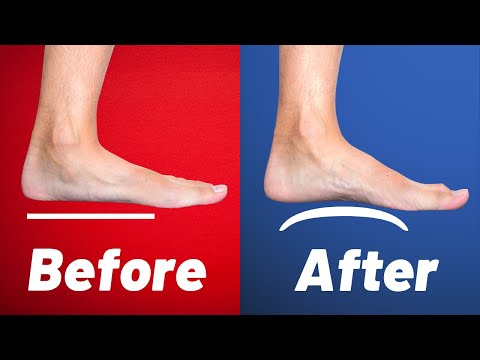
To better understand how foot mechanics impact your lower leg health, watch this helpful video:
Tendonitis vs. Tendonosis: Why the Distinction Matters
It’s a common mistake to use these terms interchangeably, but they represent different stages of injury. Tendonitis is an acute condition characterized by sudden inflammation, often following a weekend of intense activity. Tendonosis, however, is a chronic degeneration of the tendon’s collagen without active inflammation. Your Achilles stretching guide must adapt to these differences; aggressive stretching might help a chronic case but could worsen an acute flare-up. We use advanced diagnostic imaging to identify the exact state of your tendon, ensuring your recovery plan is safe and effective.
The Role of Proper Footwear on Local Trails
Your choice of footwear is your first line of defense when exploring the uneven terrain at Salt Creek Woods. Shoes with a low heel-to-toe drop can significantly increase the load on your Achilles, especially during long commutes or hikes. If your shoes don’t provide enough support, your tendon has to work 20% harder to stabilize your gait. For many of our patients, integrating Custom Molded Orthotics into their daily routine provides the necessary structural alignment to reduce tension and prevent future injury. Proper support ensures that every step you take in the Chicagoland area is a step toward long-term wellness.
Step-by-Step Achilles Stretching Guide: Safe Home Techniques
Before you begin any routine from this Achilles stretching guide, we emphasize one golden rule: never stretch a cold muscle. Cold tendons are less pliable and significantly more prone to micro-tears, which can set your recovery back by weeks. Spend at least 5 minutes walking around your home or performing gentle ankle circles to increase local blood flow. At Illinois Podiatry Specialists, we believe that preparation is the foundation of a painless recovery.
Once you’re warmed up, start with the Standing Calf Stretch to target the gastrocnemius. Stand facing a wall with your hands at shoulder height for support. Step one foot back, keeping the heel flat on the floor and the knee straight. Lean forward into the wall until you feel a firm but comfortable pull in the upper calf. If you’re experiencing acute pain or have limited mobility, the Seated Towel Stretch is a safer alternative. Sit on the floor with your legs extended, loop a towel around the ball of your foot, and gently pull your toes toward your shin. This allows you to control the tension precisely without bearing weight.
To target the deeper soleus muscle, you must incorporate the Bent-Knee Stretch. This is identical to the standing wall stretch, but you’ll slightly bend both knees while keeping your heels on the ground. This subtle shift in mechanics moves the focus from the upper calf to the lower portion of the Achilles. For maximum benefit, follow this frequency guide:
- Hold time: 30 seconds per stretch.
- Repetitions: 3 reps per leg.
- Frequency: 2 to 3 times daily, depending on your comfort level.
The Wall-to-Toe Stretch for Deep Release
This technique provides a more intense release for the plantar fascia and the lower Achilles. Place the ball of your foot against a baseboard with your heel firmly on the floor. To maximize the stretch, keep your hips and torso aligned directly over your feet rather than leaning away. It’s helpful to focus on deep, rhythmic breathing during the 30-second hold. Slow exhales signal your nervous system to reduce muscle guarding, allowing the fibers to lengthen more effectively. If you find these movements difficult to perform, our team can create a personalized plan tailored to your specific range of motion.
The Staircase Heel Drop: Advanced Eccentric Loading
Eccentric loading is a clinical gold standard for tendon remodeling. Using a sturdy step or curb in your Downers Grove home, stand with the balls of your feet on the edge and your heels hanging off. Slowly lower your heels below the level of the step over a controlled 3-second count. This “down” phase is what stimulates the tendon to repair itself and build strength. Use a handrail at all times to prevent falls and maintain your balance. Start with small movements and gradually increase the depth as your flexibility improves over the next 14 days.
Common Stretching Mistakes That Can Worsen Heel Pain
Many patients believe they must push through sharp pain to see results. This “no pain, no gain” mentality is a dangerous myth when it comes to tendon health. Effective recovery focuses on gentle, sustained tension rather than agony. If a movement causes a stabbing or pinching sensation, your body is signaling that you’re damaging the tissue. High-quality rehabilitation depends on listening to these signals to avoid setting your progress back by weeks.
Bouncing during a movement, often called ballistic stretching, is another frequent error. This rapid movement triggers the stretch reflex, a biological safety mechanism where the muscle involuntarily contracts to prevent over-lengthening. Instead of the tendon relaxing, it tightens, which increases the risk of micro-tears. When following an Achilles stretching guide, consistency and slow, controlled holds are far more effective than forceful, rhythmic bouncing.
Local geography also plays a role in your safety. In older Burr Ridge neighborhoods, cracked or slanted sidewalks can create unstable platforms for your routine. Performing calf stretches on an uneven surface can force one side of the tendon to bear 15% to 20% more load than the other. We recommend finding a flat, level surface, such as a hardwood floor or a modern gym mat, to ensure your weight is distributed evenly across the calcaneus.
Stretching an acutely torn tendon is perhaps the most significant mistake a patient can make. If your injury is fresh, aggressive pulling can turn a partial tear into a full rupture. This often requires surgical intervention and months of intensive physical therapy. We always advise a professional evaluation before starting any new regimen after a sudden injury.
Overstretching and Micro-Trauma
Aggressive stretching can accelerate collagen breakdown in cases of chronic tendonosis. You need to find the “Goldilocks Zone” where the tendon is challenged but not stressed to the point of failure. If you wake up with increased morning stiffness or localized heat around the heel, it’s a clear sign you’ve overdone it. Research suggests that excessive strain on a healing tendon can actually inhibit the body’s natural repair process.
When to Stop: Red Flags for Chicagoland Patients
While we want you to stay active, some symptoms require immediate clinical attention. Stop your Achilles stretching guide routine and contact us if you experience any of the following:
- A sudden, sharp “pop” sensation, which many patients describe as feeling like they were kicked in the back of the leg.
- Visible bruising or significant swelling that pools around the heel bone.
- A total inability to rise onto your toes or “push off” while walking.
These signs often point to a significant tear or rupture. Addressing these issues early is the best way to ensure you can eventually return to the activities you love, from hiking local trails to walking the Chicago lakefront. We are here to help you walk confidently and safely through every stage of your recovery.

Beyond the Stretch: Advanced Relief in the Western Suburbs
A consistent Achilles stretching guide is a vital foundation for recovery, but it isn’t always a complete solution for chronic tendonitis. When pain persists for more than six weeks, the issue often shifts from simple tightness to cellular degeneration. For our patients in Hinsdale and the surrounding Chicagoland area, we provide medical interventions that pick up where manual stretching leaves off. We don’t just manage your symptoms; we aim to repair the underlying tissue so you can return to the activities you love. If you’re ready to explore your clinical options, our comprehensive Achilles Tendonitis Treatment guide for Hinsdale patients outlines the full spectrum of regenerative therapies available at our practice.
Our practice utilizes Advanced Laser Therapy to target deep-seated inflammation. This FDA-cleared technology uses specific wavelengths of light to stimulate mitochondria, the powerhouses of your cells. This process accelerates tissue repair and provides rapid pain relief without the need for needles or downtime. It’s an ideal option for busy professionals and athletes who need to stay mobile while they heal.
Non-Invasive Technologies at Illinois Podiatry Specialists
We specialize in regenerative medicine because it treats the root cause of Achilles dysfunction. One of our most effective tools is Shockwave Therapy, also known as EPAT. This treatment works by sending acoustic pressure waves into the damaged tendon. These pulses create controlled micro-trauma, which sounds counterintuitive, but it’s actually the key to healing. This process “re-boots” the body’s natural repair mechanisms by significantly increasing blood flow to the Achilles, a tendon that naturally suffers from poor circulation.
- Better than Cortisone: While steroid shots offer quick relief, they can actually weaken the tendon over time. Studies indicate that regenerative therapies like EPAT and Laser don’t carry the 5 to 10 percent risk of tendon rupture associated with repeated cortisone use.
- PRP Injections: For more severe cases, Platelet-Rich Plasma (PRP) therapy uses a concentrated dose of your own blood platelets to jumpstart healing in damaged fibers.
- Zero Downtime: Most of our advanced therapies allow you to walk out of the office and continue your day immediately.
The Collaborative Journey to Recovery
Healing is never a one-size-fits-all process. Our doctors combine your home Achilles stretching guide with in-office medical care to create a comprehensive wellness plan. We take the time to understand your specific goals, whether that’s finishing the Chicago Marathon or simply walking through Katherine Legge Memorial Park without discomfort. Every step matters to us, and we’re dedicated to being your local partner in foot health.
By blending high-tech clinical solutions with personalized physical therapy goals, we ensure your recovery is both thorough and lasting. We’re proud to serve our neighbors in Hinsdale and the Western Suburbs with the same care and precision we’d want for our own families. We’ll help you put your best foot forward and regain the joy of movement.
Don’t let chronic Achilles pain hold you back from your favorite activities. Schedule your personalized consultation at Illinois Podiatry Specialists today.
Building Your Routine: Put Your Best Foot Forward
Living in the Chicagoland area often means a fast-paced life, whether you’re commuting to the Loop or managing a household in the suburbs. Finding time for recovery shouldn’t feel like another chore on your to-do list. This Achilles stretching guide is most effective when it’s woven into the fabric of your daily movements. We’ve found that patients who prioritize small, frequent sessions often see better results than those who attempt one long, grueling workout once a week. Consistency is your greatest ally. Spending five minutes on your stretches twice a day keeps the tendon supple and prevents scar tissue from tightening during periods of rest.
You don’t have to remain sedentary while your tendon heals. Total inactivity can lead to stiffness and muscle atrophy. Instead, swap high-impact running for low-impact alternatives that maintain your cardiovascular health. Cycling along the Salt Creek Trail or swimming laps at a local fitness center provides an excellent workout without placing three to four times your body weight on the Achilles tendon. Listen to your body’s signals; a dull ache is a sign to slow down, while sharp pain is a clear signal to stop and rest immediately. Every step you take toward recovery is a step toward reclaiming the activities you love.
Sample Daily Achilles Health Schedule
- Morning: Perform a gentle towel stretch for 30 seconds per foot before you even get out of bed. This simple move counteracts the tightness that naturally builds up overnight.
- Workday: If you’re at an Oak Brook office or working from home, stand up every 60 minutes. Use a sturdy desk for balance and perform three sets of standing calf stretches during phone calls or breaks.
- Evening: Complete your eccentric heel drops on a staircase while winding down. If you notice any swelling after a long day of activity, apply ice for 15 minutes to calm the inflammation — but first consider whether does ice help tendonitis or whether heat may be the more effective choice for your specific stage of recovery.
Schedule a Consultation with Our Local Experts
Recovery is a collaborative journey, and you don’t have to walk it alone. At Illinois Podiatry Specialists, we provide personalized care that considers your unique lifestyle and mobility goals. Whether you’re training for the Chicago Marathon or simply want to walk through downtown Hinsdale without discomfort, our team is here to support you. We’ve helped hundreds of neighbors from La Grange to Westmont regain their stride through comprehensive evaluations and modern treatment plans. Your mobility is our priority because we believe that every step matters. Book your appointment with Illinois Podiatry Specialists today and let us help you walk confidently again.
Take the Next Step Toward Pain-Free Living
Your journey to fluid movement starts with the right foundation. This Achilles stretching guide provides the essential tools to manage tension at home, but remember that consistency is your greatest ally. Avoiding common mistakes like overstretching or ignoring sharp pain can prevent setbacks that keep you off the local trails. While home care is vital, persistent heel issues often require the precision of advanced medical technology to fully resolve. For patients whose symptoms have lasted beyond six weeks, exploring professional Achilles Tendonitis Treatment options in Hinsdale can make the difference between ongoing pain and a lasting recovery.
At Illinois Podiatry Specialists, we’ve served the Western Suburbs for over 30 years. Our board-certified podiatric surgeons combine decades of experience with modern solutions like FDA-cleared Shockwave and Laser therapies to accelerate your healing. We don’t just treat symptoms; we partner with you to restore your lifestyle. Whether you’re a daily commuter at the Hinsdale Metra station or a dedicated weekend runner, your mobility remains our priority because every step matters.
Walk confidently again—schedule your Achilles evaluation in Hinsdale today!
We look forward to helping you find your stride again with the compassionate care and clinical expertise you deserve.
Frequently Asked Questions
Is it safe to stretch my Achilles tendon if it is already sore?
It’s generally safe to stretch a sore Achilles if you maintain a pain level below 3 on a 10 point scale. Gentle movement helps blood flow, but aggressive pulling can aggravate active inflammation. If you feel sharp or stabbing pain, stop the movement immediately. Our team recommends starting with seated towel stretches to control the tension before moving to standing exercises. We want to ensure your recovery is steady and painless.
How long does it take for a tight Achilles to loosen up?
Most patients see a noticeable improvement in flexibility within 14 to 28 days of daily practice. Following a structured Achilles stretching guide twice a day ensures the collagen fibers realign properly. Consistency is the key to success in regaining your mobility. If your stiffness persists beyond 30 days, it might indicate chronic tendinosis. This condition often requires professional intervention to prevent further damage to the heel cord.
Can tight Achilles tendons cause plantar fasciitis?
Tight Achilles tendons are a primary contributor to plantar fasciitis because they limit ankle dorsiflexion and increase strain on the plantar fascia. Clinical data shows that 83% of patients with heel pain also present with restricted calf flexibility. When the heel cord is tight, it forces the arch to collapse prematurely during your stride. This repetitive stress leads to the inflammation we treat daily in our Hinsdale office.
What are the best shoes for Achilles tendonitis relief in Chicago?
The best shoes for Achilles relief feature a 10mm to 12mm heel-to-toe drop to reduce tension on the tendon. Brands like Brooks or Asics often provide this specific offset, which is helpful for navigating Chicago’s flat, hard concrete sidewalks. We suggest visiting local experts at Fleet Feet Chicago for a professional fitting. Avoid flat footwear or flip-flops, as these increase the load on your heel cord by 20% or more.
Should I use ice or heat before stretching my Achilles?
You should apply heat for 10 to 15 minutes before stretching to increase tissue elasticity. Warmth improves blood flow and makes the tendon more pliable for your Achilles stretching guide routine. After you finish your exercises, apply ice for 20 minutes to calm any residual inflammation. To better understand the science behind this approach and whether ice truly helps tendonitis recovery at each stage of healing, our detailed guide breaks down the evidence. This cycle protects the delicate fibers from micro-trauma during recovery. It’s a simple way to make your journey toward wellness much more comfortable.
How do I know if I have an Achilles tear instead of just a strain?
You can distinguish a tear from a strain by the audible pop sound and an immediate inability to rise onto your toes. A strain typically involves localized soreness, while a full rupture feels like being kicked in the back of the leg. Research indicates that 75% of ruptures occur during high-intensity sports. If you see a visible gap in the tendon, seek an evaluation at our clinic immediately to discuss your options.
Can I continue running while following this Achilles stretching guide?
You don’t necessarily have to stop running, but you must reduce your weekly mileage by at least 50% during the initial recovery phase. If your pain exceeds a 2 out of 10 during the run or the next morning, your body needs more rest. We help Chicagoland runners modify their training schedules to maintain fitness without risking a total rupture. Your journey back to the lakefront path depends on listening to these physical cues.
Does Illinois Podiatry Specialists offer same-day appointments for heel pain?
Illinois Podiatry Specialists offers same-day appointments for acute heel pain and Achilles injuries to ensure you get relief quickly. We understand that mobility is essential for your busy life in Hinsdale and the surrounding suburbs. Our board-certified experts provide comprehensive evaluations and personalized treatment plans right away. Don’t let foot pain sideline your goals; call our office to secure a priority time slot today. Every step matters to us.