


Imagine standing at the trailhead of Katherine Legge Memorial Park, watching the morning sun hit the trees, but knowing your bunion pain will turn that peaceful walk into a grueling chore. It’s a frustrating reality for many of our neighbors in Hinsdale. You’ve likely spent years trying to fit painful feet into professional footwear for meetings in Oak Brook, all while worrying that a surgical solution might leave you sidelined and dependent on your family. We know that the uncertainty surrounding bunion surgery recovery time is often the biggest hurdle to finding relief.
You deserve a recovery plan that respects your busy schedule and your desire for independence. We’re here to provide exactly that. In this guide, you’ll learn what to expect during every stage of your healing journey, from the first 48 hours to returning to your favorite local activities. We’ll preview the milestones of modern, minimally invasive techniques and show you how our team of experts supports your path back to mobility. It’s time to stop managing the pain and start planning your return to the life you love.
Key Takeaways
- Discover why modern 3D correction is more effective than traditional methods by addressing the structural rotation of the bone.
- Get a clear, week-by-week breakdown of the bunion surgery recovery time so you can plan your return to work and social life with confidence.
- Learn how advanced pain management techniques make the initial healing phase much more manageable than most patients expect.
- Understand the “tipping point” where conservative treatments like wider shoes or orthotics are no longer sufficient for lasting relief.
- See how a patient-centric approach ensures your surgical plan is tailored to the physical demands of your Hinsdale lifestyle.
Understanding Bunion Correction in the Western Suburbs
A bunion is often misunderstood as a simple growth on the side of the big toe. In reality, medical professionals refer to this condition as Hallux Valgus. It’s a complex, three-dimensional structural misalignment where the metatarsal bone leans out while the big toe leans in. Understanding what a bunion is helps clarify why simple remedies like toe spacers often fail to provide lasting relief. For our active neighbors in Hinsdale and Oak Brook, this isn’t just about appearance. It’s about a skeletal shift that changes how you walk, stand, and live.
Many patients initially believe that surgery simply involves “shaving the bump.” However, modern podiatric medicine focuses on anatomical restoration. We don’t just remove the protrusion; we aim to rotate the bone back to its natural, stable position. This precision-guided approach is vital for ensuring that your results are permanent and that your gait remains balanced. Correcting the root cause prevents the misalignment from recurring and protects the health of your entire foot.
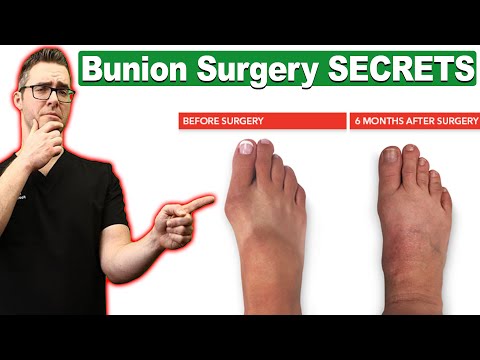
To better understand the differences between traditional methods and modern 3D correction, watch this helpful video:
When is a Bunion More Than a Cosmetic Concern?
You might notice that your favorite professional shoes for meetings in Oak Brook no longer fit, or that a simple walk through Katherine Legge Memorial Park causes a dull, throbbing ache. These are signals from your body. When the joint becomes inflamed or you notice secondary issues like hammertoes developing on the adjacent toes, the condition has moved beyond a cosmetic worry. Early intervention is often the key to a smoother experience. Seeking care before the joint undergoes significant degenerative changes can positively influence your overall bunion surgery recovery time and long-term comfort.
The Progression of Hallux Valgus
Bunions are progressive. What starts as a mild shift in foot mechanics can eventually lead to debilitating pain that limits your daily mobility. While genetics play a significant role in who develops these misalignments, the daily demands of a suburban lifestyle can accelerate the shift. Waiting until the pain is unbearable often complicates the surgical plan. By addressing the root cause earlier, we can utilize minimally invasive techniques that prioritize stability. This proactive stance ensures that your bunion surgery recovery time is spent moving toward wellness rather than struggling through a prolonged healing process.
Advanced Surgical Techniques: Minimally Invasive and 3D Correction
Traditional bunionectomies often focused on the surface. They removed the visible bump but left the underlying bone structure tilted. Modern anatomical reconstruction goes deeper. Our board-certified surgeons evaluate your unique foot anatomy to decide if a minimally invasive approach or a 3D correction is the optimal path for your lifestyle. This personalized selection is why many patients experience a more predictable bunion surgery recovery time than they initially feared. By choosing the right tool for your specific deformity, we ensure the correction is as stable as it is precise.
The Shift to Minimally Invasive Bunion Surgery (MIS)
Specialized micro-instruments allow us to perform corrections through tiny keyhole incisions, often only 3 to 5 millimeters in length. These smaller openings mean significantly less trauma to the surrounding soft tissues. For busy professionals in Hinsdale and Oak Brook, this translates to reduced post-operative stiffness and a lower risk of infection compared to traditional open procedures. Because the internal disruption is minimized, the healing process focuses on the bone correction rather than repairing large surgical wounds. It’s a gentle yet highly effective way to reclaim your mobility without the extensive scarring associated with older methods.
3D Alignment and Joint Stability
A bunion is a triplanar deformity, meaning the bone has shifted in three different directions. Traditional surgery often only addressed one or two of these planes. Advanced 3D correction rotates the bone back into its natural alignment, addressing the root cause of the instability. We use stable fixation, such as low-profile titanium plates, to secure the bone in its new position. This structural integrity is a game-changer for recovering from bunion surgery because it often allows for earlier weight-bearing.
Recent data from 2026 shows that patient satisfaction rates for these modern, minimally invasive procedures have reached 94%. By restoring the natural foundation of your foot, we significantly reduce the chance of the bunion returning. This technique doesn’t just “fix the toe”; it rebuilds the arch’s stability. If you’re ready to discuss which modern technique fits your needs, our team at Illinois Podiatry Specialists is here to guide your next steps toward a pain-free gait.
Surgery vs. Conservative Care: When Is It Time to Act?
Deciding when to transition from managing symptoms to seeking a permanent correction is a personal journey. We believe in a collaborative approach where we weigh your clinical needs against your personal lifestyle goals. While conservative measures can provide temporary comfort, it’s essential to recognize that only surgery can fundamentally alter the bone structure of your foot. For many of our neighbors, custom molded orthotics act as a vital first line of defense. These devices help redistribute pressure and align the foot more effectively during daily activities.
There eventually comes a tipping point where even the most supportive footwear or padding fails to mitigate the progressive nature of Hallux Valgus. If you find yourself consistently modifying your life to accommodate your feet, it may be time to consider a more definitive solution. Most insurance plans actually require documentation of these failed conservative treatments before they will approve surgical coverage. We’ll help you document this process to ensure your transition to surgical care is as seamless as possible.
Non-Surgical Management for Mild Bunions
When we are managing mild bunions, the goal is often to slow the progression and alleviate immediate inflammation. Toe spacers and nighttime splints can help maintain flexibility, though they cannot reverse the structural shift. In some cases, we might utilize regenerative boosters like Platelet-Rich Plasma (PRP) injections or targeted cortisone to address joint inflammation. These treatments provide a window of relief for patients who aren’t quite ready for a surgical path but need to stay active in the community.
Signs You Are Ready for Bunion Surgery
How do you know when you’ve reached the point where surgery is the best option? Persistent pain that ignores your orthotics is a primary indicator. You might also notice pain migrating to the ball of your foot or causing your other toes to curl. This transfer pain suggests the bunion is significantly compromising your foot’s overall mechanics. Most importantly, if you are missing out on favorite Hinsdale social events or local sports, the impact on your quality of life is clear.
Understanding the bunion surgery recovery time helps many patients realize that a few weeks of healing is a small price for years of regained mobility. Modern techniques have made the bunion surgery recovery time more predictable and manageable than ever before. If your daily walks at the park have become a memory rather than a routine, it’s likely time to discuss a permanent fix.

Navigating Your Recovery: A Week-by-Week Timeline
Many patients hesitate to seek relief because of outdated stories regarding intense post-operative pain. We’ve replaced those old experiences with sophisticated anesthesia protocols and long-acting nerve blocks that often provide numbness for the first 24 to 48 hours. This modern approach ensures your transition into the healing phase is as gentle as possible. When utilizing modern, minimally invasive procedures, the average timeframe for returning to supportive sneakers is typically between 4 and 6 weeks. This accelerated bunion surgery recovery time allows you to reclaim your independence much faster than traditional methods allowed in the past.
The First 48 Hours: Managing Comfort
The first two days are dedicated to managing inflammation and protecting the surgical site. We prioritize elevation, asking you to keep your foot above the level of your heart to minimize swelling. Applying ice packs behind the knee can also help cool the blood flowing to the foot, providing natural relief. Our multimodal pain management strategy uses a combination of medications to target discomfort from different angles, which significantly reduces recovery anxiety. During this window, your mobility around the home will be limited to essential trips, usually with the help of a walker or crutches to ensure you don’t place premature weight on the correction.
Milestones in the Recovery Journey
Your progress follows a logical, steady sequence designed to protect the new alignment while gradually restoring function. We monitor these milestones closely to ensure your bone is healing exactly as planned.
- Week 2: At your first follow-up, we typically remove the sutures. Most patients transition from a non-weight-bearing status into a protective walking boot, allowing for more natural movement around the house.
- Week 6: This is a major turning point. Provided the bone shows strong healing on X-rays, you’ll likely transition into supportive athletic shoes. You can begin light daily activities and return to most professional settings.
- Month 3-6: This final phase is about returning to the high-impact activities you love. Whether it’s a competitive match on the tennis court or a morning run through Hinsdale, your foot should now feel stable and pain-free.
A successful outcome also relies on restoring your natural range of motion. We often recommend post-operative physical therapy with local specialists in the Hinsdale area to help you regain strength and balance. This collaborative effort ensures that your gait is smooth and your confidence is restored. If you’re ready to start your journey toward a pain-free life, schedule a consultation with our expert team to discuss your personalized surgical plan.
Why Choose Illinois Podiatry Specialists for Your Bunion Care?
Choosing a surgical partner is a significant decision that impacts your long-term wellness. At Illinois Podiatry Specialists, we offer more than just technical precision. Our board-certified surgeons bring decades of combined clinical experience to the Western Suburbs, ensuring that your care is rooted in proven expertise and modern innovation. We understand that your goal isn’t just to fix a structural issue but to return to the active life you enjoy in Hinsdale. This patient-centric philosophy means we listen to your lifestyle goals first, tailoring every procedure to ensure your bunion surgery recovery time is as efficient and stable as possible.
A Compassionate, Local Expert Approach
Our team is deeply connected to the Chicagoland area. These local roots foster a level of neighborly trust you won’t find at large, impersonal hospital systems. We believe that “Every Step Matters,” a philosophy that guides us from your initial consultation through your final post-operative checkup. Having your surgeon and follow-up care located in one convenient Hinsdale office simplifies the logistics of your journey. You won’t have to navigate complex hospital campuses while recovering. Instead, you’ll receive personalized attention in a comfortable, familiar setting. This proximity allows us to monitor your bunion surgery recovery time closely, making adjustments to your plan in real-time to optimize your results.
Comprehensive Foot Health Beyond Surgery
We view surgery as one part of a holistic path toward mobility. Our commitment to your health continues long after the procedure is finished. For instance, we may integrate advanced laser therapy into your plan to manage scar tissue and accelerate soft tissue healing. We also provide long-term support to prevent secondary issues that can arise from years of altered gait, such as Achilles tendonitis. By addressing the mechanics of the entire foot and ankle, we ensure your new alignment remains a permanent foundation for confidence.
Taking the first step toward relief shouldn’t be a source of stress. Whether you are in the early stages of discomfort or have struggled with pain for years, we are here to provide clear answers and expert solutions. Scheduling your consultation is the first step toward walking without hesitation. Let us help you reclaim your stride and return to the Hinsdale activities you love most.
Take the First Step Toward Pain-Free Living
Living with chronic foot pain shouldn’t be your permanent reality. Modern podiatric medicine has transformed the surgical experience, shifting away from invasive traditional methods toward precision-guided 3D correction. By addressing the root cause of the misalignment, we ensure your results are built to last. You’ve learned that the average bunion surgery recovery time is significantly shorter with these advanced techniques, often getting you back into athletic shoes in as little as six weeks. This means less time sidelined and more time enjoying the parks and streets of Hinsdale.
Our board-certified foot and ankle surgeons bring decades of combined clinical experience to every patient journey. With convenient locations in both Hinsdale and Oak Brook, we provide the expert, compassionate support you need right in your own neighborhood. We’re dedicated to a collaborative process where your individual lifestyle goals remain the top priority. It’s time to stop managing discomfort and start moving with confidence again. Schedule Your Bunion Consultation in Hinsdale Today and discover how we can help you reclaim your stride. We look forward to being part of your path to wellness.
Frequently Asked Questions
How long does bunion surgery take and is it an outpatient procedure?
Bunion surgery is typically performed as an outpatient procedure, meaning you’ll return home the same day. The procedure itself generally takes between one and two hours, depending on the complexity of the deformity and the specific technique used. Our surgeons prioritize efficient, precise corrections to minimize your time in the operating room. This approach helps set the stage for a smooth healing process at your home in the Western Suburbs.
Will I have to wear a cast after my bunion surgery in Hinsdale?
You likely won’t need a heavy plaster cast. Most modern procedures utilize a surgical bandage and a protective walking boot instead. This allows for easier hygiene and earlier weight-bearing compared to traditional methods. Our goal is to maintain the correction with stable internal fixation, such as titanium plates, which often eliminates the need for restrictive casting. We’ll provide specific instructions on how to manage your surgical boot during your first follow-up in our Hinsdale office.
Is bunion surgery covered by insurance in Illinois?
Most insurance plans in Illinois cover bunion surgery when it’s deemed medically necessary. This usually requires documentation that conservative treatments, like custom molded orthotics or wider footwear, haven’t provided sufficient pain relief. Our team works closely with major providers to help you understand your benefits. Since bunions can lead to progressive joint damage, insurance companies often recognize the clinical importance of surgical correction for patients experiencing chronic pain.
What is the success rate of modern bunion correction procedures?
Modern procedures have exceptionally high success rates. Research from 2026 indicates that patient satisfaction for minimally invasive bunion surgeries has reached 94%. Additionally, studies on 3D correction techniques show that up to 99% of patients remain bunion-free 17 months after their procedure. These high success rates are a result of addressing the structural rotation of the bone rather than just removing the bump on the side of the foot.
Can I drive myself home after the surgery, or do I need a ride?
You’ll need a designated driver to take you home after your procedure. Because we use anesthesia and long-acting nerve blocks for your comfort, it’s not safe for you to operate a vehicle immediately. If the surgery is on your right foot, you may need to wait several weeks before it’s safe to drive again. We’ll discuss your specific driving timeline during your pre-operative consultation at our local clinic to ensure you have a plan in place.
How soon can I return to work if I have a desk job in Oak Brook?
Many patients return to desk-based work in Oak Brook within one to two weeks. The primary requirement is the ability to keep your foot elevated to manage swelling during the initial healing phase. If your commute involves significant walking or if your role requires you to be on your feet, your return may take longer. We’ll help you determine a personalized timeline based on your specific workplace demands and your unique bunion surgery recovery time.
Will my bunion ever come back after it has been surgically corrected?
Recurrence is very rare with modern 3D alignment techniques. Traditional surgeries often failed because they didn’t address the bone’s rotation, allowing the bunion to drift back over time. By rotating the bone into its natural position and securing it with stable fixation, we significantly reduce this risk. Our board-certified surgeons focus on anatomical restoration to ensure your results are permanent, allowing you to walk through the Western Suburbs with long-term confidence in your foot health.
What kind of shoes can I wear after the recovery period is over?
You can typically return to supportive athletic shoes about six weeks after your procedure. As your bunion surgery recovery time concludes, you’ll eventually be able to wear most standard footwear, including professional shoes for meetings in Oak Brook. While we recommend avoiding extremely narrow or high-heeled shoes for long periods to protect your results, the goal of surgery is to return you to the footwear you enjoy. We’ll guide you on the best shoe choices for your specific foot structure.