


Hammertoes usually develop when muscle and tendon forces become unbalanced, bending a toe and keeping pressure on its joints. If you’re wondering what causes hammertoes in Oak Brook, common contributors include narrow or high-heeled shoes, toe injuries, bunions, changes in foot structure, and conditions that affect nerves or muscles. The toe may start out flexible, then stiffen as the tendons and joints tighten.
It’s understandable to focus on the bend itself, but pain, corns, redness, swelling, or trouble walking can matter just as much. This article explains what causes hammertoes in Oak Brook, along with symptoms, family history, and treatments that may ease pressure or address the deformity. You’ll also learn when to seek professional care, especially if discomfort persists, the toe becomes difficult to straighten, or you have diabetes or reduced foot sensation.
Key Takeaways
- Hammertoes can develop when muscles and tendons pull unevenly, with footwear, toe injuries, and foot structure contributing to the imbalance.
- Notice changes beyond the bent toe, including stiffness, painful corns or calluses, swelling, and difficulty wearing shoes or walking.
- Comfortable shoes, toe exercises, padding, and orthotic devices may ease pressure, especially while the toe is still flexible.
- Family history can raise susceptibility, but trauma, arthritis, nerve changes, and inherited foot shape may also play a role.
- Seek professional care for persistent pain, trouble walking, a toe that becomes rigid, or foot concerns alongside diabetes or reduced sensation.
Muscle imbalance
Hammertoes develop when the forces that move and stabilize a toe become unbalanced. The resulting pull can bend the toe’s middle joint and keep it curled.
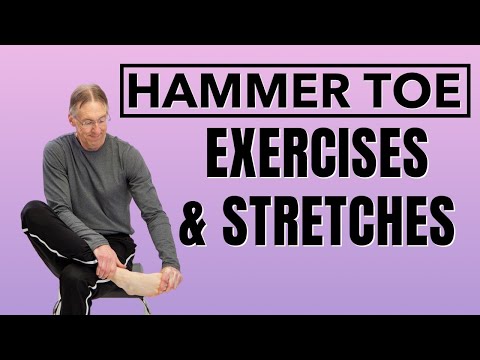
To see how movement and stretching relate to toe mechanics, watch this exercise demonstration:
Neurological Causes of Tendon Imbalance
Neuropathy can affect the muscles and tendons that control toe movement, disrupting their balance. When these tissues no longer coordinate normally, a toe may begin to bend and develop a hammertoe. This connection matters if you have diabetes or reduced foot sensation, since identifying a possible neurological cause may require further assessment. Notice changes in toe position alongside altered sensation or foot pain.
Muscle Imbalance and Tendon Pressure
A tendon imbalance occurs when tendons pulling a toe in different directions exert unequal force. For example, tendons on top of the toe may pull too strongly, the flexor tendons underneath may overpull, or both may contribute. The toe then bends at a joint instead of staying aligned. Continued pressure can worsen the bend, adding strain with each step.
Imbalance Within the Foot
Muscle imbalance in the foot means that the small muscles and connecting tendons no longer share toe movement evenly. These small muscles can weaken over time, changing the forces that steady the toes. A toe held bent for too long can also make its controlling muscles tight. Together, these changes can make it harder for the toe to return to a straight position.
Each toe has three bones, and tendons help coordinate their movement across the joints. If one tendon group pulls harder than its opposing group, the toe can remain flexed instead of moving smoothly. Think of the toe as a balance between opposing pulls: a change in either direction can affect its resting position. The visible bend reflects this changing balance, not just a problem with the toe’s surface.
Exercises may help maintain movement while a hammertoe is still flexible. Towel curls, for example, involve scrunching a towel with the toes and can strengthen them. Exercises don’t replace the need to understand what is driving the imbalance, especially when neuropathy or reduced sensation is present. Track whether the toe straightens, stays bent, or causes foot pain to describe how its movement is changing.
These forces can involve connective tissues such as tendons or ligaments. Weakened small foot muscles, or muscles tightened by prolonged bending, may add to the imbalance.
What are the symptoms & causes of hammer toe?
A hammertoe is an abnormal bend in a smaller toe’s middle joint, curling the toe downward. In Oak Brook, podiatrists diagnose it by examining toe position, movement, pain, and foot shape; X-rays can show bones and joints, but an examination often identifies the condition.
Hammertoe Development
A hammertoe develops as a toe joint bends and its tendons and joints tighten, leaving the toe curled. The deformity commonly affects the second, third, or fourth toe, though it can involve the fifth. Recognizing the change while the toe remains flexible matters, because a flexible bend can progress into a fixed position.
Footwear and injuries can contribute to this change. Narrow, pointed shoes push smaller toes together, while high heels force the foot downward and press toes against the shoe. A jammed or broken toe can also damage a joint. A bunion may crowd nearby toes as the big toe angles toward them.
Symptoms and Progression
The clearest sign is an abnormal bend at the toe’s middle joint. Other symptoms include stiffness, pain at the bent joint, swelling, redness, and difficulty moving or straightening the toe. Shoe pressure can make walking uncomfortable, especially when the toe rubs against the inside of footwear.
Early on, you may still be able to straighten the toe by hand. As the tendons and joints tighten, the deformity can become rigid and harder to move. Pay attention to changes in flexibility, pain, and shoe comfort. These details help distinguish a mild bend from a progressing condition.
Calluses Alongside Symptoms
Corns and calluses form where repeated pressure or friction affects the skin. With hammertoe, a raised joint may rub against a shoe, while the curled toe can create pressure beneath the forefoot. Calluses, redness, or swelling alongside a visible bend are useful signs to describe during an examination.
Check where irritation appears: on top of the bent joint, between toes, or beneath the ball of the foot. The location can show where footwear or toe position creates pressure. Don’t treat a callus as the only issue if the toe is also stiff, painful, or difficult to straighten.
If a fixed, painful bend interferes with shoes or walking, ask whether hammertoe correction may address the deformity.
Symptoms may extend beyond the visible bend. Hammertoe and mallet toe can cause stiffness, pain in shoes, difficulty moving the toe, swelling, skin-color changes, and corns or calluses. Pain may affect the toe or foot, and some footwear may become difficult to wear. As the condition progresses, the toe may no longer straighten manually.
What are the treatments for hammer toe?
Treatment often starts by reducing pressure on the bent toe joint. For an early, flexible hammertoe, suitable footwear and exercises may help correct the deformity; more advanced cases may need different care.
Choose footwear that gives toes room
Tight, narrow shoes and high heels can press toes into a bent position. High heels also force the foot downward, increasing pressure against the front of the shoe. Switching to a low heel and a roomy toe box reduces crowding. Adjustable laces or straps can help secure the shoe without squeezing the forefoot.
Fit matters, too. Feet can swell during the day, so shopping later can help you judge how shoes feel under typical conditions. Measure both feet because their sizes can differ, and choose shoes that fit the larger foot. The longest toe should have about one-half inch of space in front, and shoes should feel comfortable before purchase.
Pay attention to how your toes sit in your shoes. If the second or third toe presses against the upper, or the bent joint rubs, that pair may be adding friction. A wider toe box, softer material around the joint, or adjustable straps can reduce contact. Don’t rely on tight shoes to stretch enough over time.
Ease pressure with nonsurgical care
Changing footwear is one part of conservative treatment. Protective padding, toe cushions, splints, and orthotic devices may reduce rubbing or redistribute pressure. Toe exercises can support movement, particularly while the toe remains flexible. These approaches focus on comfort and pressure, rather than forcing a rigid joint straight.
- Choose comfortable shoes with a wide toe box and low heels.
- Use padding or cushions to protect a spot that rubs against footwear.
- Try toe exercises as part of early care, without forcing painful movement.
- Consider inserts or orthotic devices to change pressure across the foot.
The right combination depends on where pressure occurs and whether the toe can still move. A cushion, for example, may protect a raised joint from shoe friction, while an insert may help redistribute pressure beneath the foot. If changing shoes reduces rubbing but pain continues, the joint’s flexibility and alignment also matter.
When surgery enters the discussion
Surgery may be considered when the toe joint becomes rigid or nonsurgical treatment doesn’t relieve symptoms. Depending on the deformity, a procedure may realign the toe, release tight tendons, or correct joint structure. The toe’s flexibility, joint position, and ongoing pain help determine whether these approaches are relevant.
Footwear changes and cushions can ease pressure, but they don’t necessarily correct a fixed deformity. If pain makes walking difficult or the toe cannot straighten, discuss treatment options with a foot specialist.

Are hammer toes inherited?
Yes. A family history and inherited foot shape can make hammertoes more likely, but they aren’t the only causes. Trauma, arthritis, nerve damage, and footwear pressure can also affect toe joints and position.
Foot structure can change how weight moves through the foot and ankle. Flat feet, high arches, collapsing arches, and an unusually long second toe may increase susceptibility. A bunion can crowd nearby toes, while abnormal gait patterns may alter pressure across the forefoot. These features don’t guarantee a hammertoe, but they help explain why relatives can share similar toe positions.
Injury is another factor. Stubbing or jamming a toe can damage its joint, and a fracture may change how the toe rests or moves. Arthritis, including rheumatoid arthritis and osteoarthritis, can inflame and affect toe joints. Over time, joint stress may contribute to a bent position, particularly when other foot-structure risks are present.
Nerve damage can affect the muscles and tendons that control toe movement. Diabetes can contribute to foot problems, and reduced sensation may make it harder to notice rubbing, pressure, or a changing toe position. If you have diabetes or reduced sensation, a healthcare professional can assess whether nerve changes may be involved and whether further evaluation is appropriate.
Footwear and exercises can help reduce pressure and support toe movement, especially when the bend is still flexible. Choose shoes with a roomy toe area, low heels, and adjustable laces or straps. Shoes should feel comfortable before purchase and leave about one-half inch beyond the longest toe. Since foot width can change with age, measure both feet and fit the larger one.
Small habits matter. Shopping for shoes at the end of the day accounts for swelling, while a roomy toe box reduces crowding during wear. Harvard Health recommends soaking feet daily in warm water, then stretching the toes and ankles as an early prevention measure. Towel curls, which involve scrunching a towel with the toes, can also strengthen them.
Family history isn’t something you can change, but you can reduce avoidable pressure and watch for changes in toe position. Note whether a toe begins curling, becomes harder to straighten, or starts rubbing in a familiar shoe. If you have diabetes, arthritis, or a previous toe injury, these details can help guide a focused foot assessment.
When to seek professional care
Arrange an evaluation when toe or foot pain lasts longer than several days, especially if it affects walking. A hammertoe that is becoming harder to straighten also deserves attention. Early assessment can identify the cause of the changing toe position and help address pressure before symptoms worsen.
Look for changes that affect ordinary movement, not just the toe’s appearance. Pain that makes you shorten your walks, avoid certain shoes, or shift weight away from the forefoot can signal a problem. A toe that was flexible but now feels stiff or stays bent may be progressing. Note where the discomfort occurs and which activities make it worse.
Diabetes, poor circulation, or reduced foot sensation calls for extra care. Decreased sensation can make it harder to notice shoe friction, skin injury, or pressure around a bent toe. Harvard Health advises people with diabetes to see a physician promptly for toe or foot pain, including problems such as hammertoes or corns. Speak with a healthcare professional before trying over-the-counter remedies if you have diabetes, poor circulation, or reduced sensation.
Diagnosis generally begins with an examination of the toes and feet. The clinician checks the toe’s position, flexibility, pain, and any corns or calluses. For example, they may assess whether the middle joint can still straighten or has become rigid. X-rays can show the bones and joints when needed, although an examination often identifies hammertoe without imaging.
Bring useful details to the appointment: when the toe began bending, whether it can still straighten, and how long the pain has lasted. Mention any previous toe injury, diabetes, reduced sensation, or change in walking. These details help distinguish footwear pressure from joint stiffness or a possible neurological cause. They also help guide decisions about stretching, padding, footwear changes, or other care.
Don’t force a rigid or painful toe straight with stretching. If the joint is fixed, significant pain persists, skin repeatedly breaks down, or daily activity becomes limited, a professional assessment can clarify whether nonsurgical care is sufficient or surgery should be considered. The deciding factors include joint flexibility, symptoms, pressure areas, and how much the condition limits walking.
If toe pain or stiffness is affecting your steps, schedule a foot evaluation to discuss the symptoms and next steps.
Illinois Podiatry Specialists: Laser Therapy
Illinois Podiatry Specialists offers Hammertoe Correction, a service focused on the toe’s deformity and joint position. Laser Therapy should not be presented as a way to straighten a hammertoe. If your toe is stiff, painful, or affecting how you walk, seek an evaluation to discuss appropriate treatment options. The practice also offers Shockwave Therapy and Regenerative Therapy for other foot and ankle concerns, while Fungal Nail Treatment addresses nail problems, not toe alignment.
Choose care based on the condition causing your symptoms. If you’re unsure which concern needs attention, contact Illinois Podiatry Specialists to discuss your foot or ankle symptoms.
Take the Next Step Toward Comfortable Movement
If you searched what causes hammertoes in Oak Brook, your next step can be a conversation about how the toe affects your daily movement. The right care starts with your symptoms, goals, and the way the toe functions, helping you make an informed decision rather than simply adapting around discomfort.
Illinois Podiatry Specialists offers Hammertoe Correction for patients seeking care for this toe deformity. The practice also offers Laser Therapy, Shockwave Therapy, and Regenerative Therapy for other foot and ankle concerns. These services address different needs, so the focus is choosing care that fits the condition you’re experiencing.
Share what activities have become difficult, what you’ve already tried, and what you hope to return to doing. That gives your care conversation a practical starting point. Contact Illinois Podiatry Specialists to discuss your foot concerns and possible next steps. With a clearer understanding of your options, you can move forward with greater confidence.
Frequently Asked Questions
What Are the Risk Factors for Hammertoe?
Risk factors include inherited foot shape, high arches, flat feet, tight tendons or ligaments, and a second toe longer than the big toe. A bunion can also crowd neighboring toes. For example, a long second toe pressed against the front of a shoe may face repeated pressure. These factors increase susceptibility, but don’t mean a hammertoe will necessarily develop.
What are the most common causes and risk factors for hammertoes?
Common contributors include toe-joint imbalance, narrow footwear, previous toe injury, and foot structures that shift pressure toward smaller toes. Arthritis and nerve damage can also affect toe joints, muscles, or tendons. A family history may point to inherited foot shape or tissue tightness. Consider how these factors combine, such as an old toe injury alongside shoes that repeatedly crowd the forefoot.
Can tight shoes, high heels, or foot injuries cause hammertoes?
Yes. Tight or pointed shoes can press smaller toes into a bent position, while high heels push the foot downward and increase toe pressure. A jammed, stubbed, or broken toe can damage a joint and contribute to a lasting change in position. If a toe starts bending after an injury, note whether pain, stiffness, or shoe friction continues.
Are hammertoes linked to bunions, arthritis, diabetes, or nerve disorders?
They can be connected. A bunion may crowd smaller toes, and rheumatoid arthritis or osteoarthritis can affect toe joints. Diabetes may be associated with foot problems, particularly when sensation is reduced. Nerve damage can alter the muscles and tendons that control toe movement. If you have diabetes and notice new toe pain, a corn, or a change in toe position, seek medical advice promptly.
Which early symptoms of hammertoes should prompt medical care?
Arrange an evaluation if toe or foot pain lasts longer than several days, affects walking, or comes with increasing stiffness. A toe that was easy to straighten but now stays bent also merits attention. Redness, swelling, corns, or calluses where footwear rubs are useful signs to mention. With diabetes, poor circulation, or reduced sensation, seek advice promptly before trying over-the-counter treatments.
What nonsurgical treatments can help hammertoes, and how much do they cost near Oak Brook?
For a flexible hammertoe, care may include roomier shoes, protective padding, toe exercises, splints, or orthotic devices. The price depends on the case and is given after a quote request; factors include the treatment selected, the toe’s flexibility, and whether custom devices are needed. For Oak Brook-area care, discuss which options fit your symptoms and foot mechanics.
When is hammertoe surgery recommended, and what are its risks and recovery time?
Surgery may be considered when the toe joint is rigid or other treatments haven’t relieved symptoms, especially if pain limits daily activities or skin repeatedly breaks down. The procedure may realign the toe, release tight tendons, or address joint structure. Ask about risks specific to the planned procedure and your health. Stiffness, swelling, and redness may last 4 to 6 weeks after surgery.