


Imagine waking up in your Hinsdale home, but instead of looking forward to a morning stroll through Katherine Legge Memorial Park, you dread the sharp, stabbing sensation that hits your heel the moment your feet touch the floor. For the 2 million Americans who struggle with plantar fasciitis annually, this isn’t just a bad morning; it’s a daily reality that makes even a short trip to the local market feel like a marathon. We believe that where every step matters, you shouldn’t have to choose between chronic discomfort and the fear of a 12-week surgical recovery. That’s why we utilize advanced Shockwave Therapy to address the root cause of your pain without a single incision.
You deserve a solution that honors your busy lifestyle and your desire for a quick return to the activities you love. This article explores how this regenerative, non-surgical treatment provides lasting relief for persistent heel and tendon issues. We’ll examine the science behind this non-invasive technology and show you how our personalized approach can help you walk confidently once again.
Key Takeaways
- Understand how acoustic pressure waves—not electricity—trigger your body’s natural healing response to repair damaged tissue at a cellular level.
- Discover a regenerative path to relief for persistent conditions like chronic plantar fasciitis and Achilles tendonitis without the need for invasive surgery.
- Learn why professional Shockwave Therapy provides the depth and precision necessary for healing that consumer-grade at-home devices simply cannot replicate.
- See what to expect during your personalized treatment journey, which typically involves just a few quick, 15-minute sessions to help you walk confidently again.
- Find out how this advanced technology is helping our Hinsdale neighbors reclaim their active lifestyles and ensure that every step matters.
What is Shockwave Therapy? A Modern Solution for Hinsdale Patients
Chronic foot pain often feels like an endless cycle of discomfort that limits your daily joy and mobility. At Illinois Podiatry Specialists, we offer a breakthrough medical advancement called Shockwave Therapy to break that cycle. To understand What is Extracorporeal Shockwave Therapy (ESWT), it helps to look at its history in modern medicine. Originally developed in the 1980s as lithotripsy to break up kidney stones without surgery, researchers discovered these same acoustic waves could stimulate healing in tendons, ligaments, and bone. This technology has since evolved into a sophisticated tool for treating stubborn podiatric conditions.
Don’t let the name intimidate you. The “shock” in the title is a common misnomer; the treatment involves no electricity or painful jolts. Instead, it uses high-energy acoustic pressure waves that travel through the skin to reach deep-seated injuries. For residents in Oak Brook and Westmont, this technology is a complete game-changer. We utilize EPAT (Extracorporeal Pulse Activation Technology), which represents the gold standard in non-invasive tissue regeneration. It restarts the body’s natural healing process in areas where chronic inflammation has caused progress to stall.
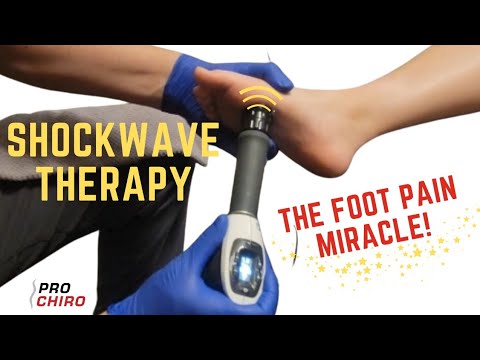
To better understand how these pressure waves interact with your body to relieve pain, watch this helpful video:
The Difference Between Focused and Radial Waves
Not all acoustic waves are the same. Radial waves are designed to dissipate energy over a larger surface area, making them ideal for repairing soft tissue and treating widespread tendon issues near the skin’s surface. Radial waves serve as a powerful catalyst for soft tissue repair by increasing local blood flow and metabolic activity. Conversely, focused waves concentrate their energy on a small, localized point. This precision allows us to target deeper issues, such as bone stress injuries or specific joint calcifications. By using the right wave for your specific diagnosis, we ensure your recovery journey is both efficient and effective.
Why Illinois Podiatry Specialists Choose EPAT
We’ve invested in EPAT because it’s FDA-cleared and backed by clinical studies showing an 80% success rate for patients who haven’t found relief through traditional methods. Our practice is built on the philosophy that “Where Every Step Matters,” and providing this level of advanced technology is central to that mission. It’s a convenient, in-office procedure that typically takes only 15 minutes, making it an excellent option for busy patients traveling from Downers Grove or Burr Ridge. You won’t need anesthesia or downtime; you can simply walk out of the office and continue your day, taking one step closer to a pain-free life. Shockwave Therapy allows us to treat the root cause of your pain rather than just masking the symptoms.
The Science of Healing: How Acoustic Waves Repair Tissue
Understanding how Shockwave Therapy works begins with a process called mechanotransduction. When these high-energy acoustic waves travel through your skin, they create physical pressure on a cellular level. Your body translates this mechanical stimulus into chemical signals, essentially telling your cells it’s time to get back to work. This isn’t a temporary mask for your symptoms; it’s a profound biological reset that targets the root cause of your discomfort.
One of the most vital responses is neovascularization. Chronic foot pain often persists because tendons and ligaments have poor blood supply. The acoustic pulses create microscopic “insults” to the tissue, which sounds counterintuitive, but it actually forces the body to grow new nutrient-rich capillaries. This influx of oxygen and blood flow is what allows the Common Conditions Treated with Shockwave to finally heal after months or years of stagnation. Additionally, the therapy physically breaks down calcific deposits in tendons, similar to how sound waves break up kidney stones, restoring flexibility to your stride.
Beyond structural repair, this technology modulates your pain receptors. It reduces the concentration of Substance P, a neurotransmitter responsible for sending pain signals to the brain. By hitting the “mute” button on these nociceptors, we can provide immediate relief while the slower work of tissue regeneration happens beneath the surface.
Stimulating Your Body’s Natural Repair Mechanism
In many cases of chronic pain, the body has simply “given up” on healing, leaving the tissue in a state of degenerative scarring. Shockwave Therapy tricks your system into restarting the acute inflammatory phase. This surge in activity releases specific growth factors and activates local stem cells to rebuild damaged structures. For those looking to understand the broader scope of these treatments, our guide on Regenerative Therapy in Hinsdale provides deeper context on how we use modern medicine to enhance your natural recovery. We believe that every step matters, and this biological “kickstart” is often the missing piece in a patient’s recovery puzzle.
Evidence-Based Results for Foot and Ankle Health
Clinical data supports the efficacy of this approach. Studies published in various orthopedic journals show success rates between 70% and 85% for patients struggling with chronic plantar fasciitis who haven’t responded to traditional care. It’s important to remember that healing is a journey, not an event. While some patients feel lighter on their feet immediately, the most significant cellular remodeling occurs over a 12-week biological cycle as new collagen fibers mature and strengthen.
“Shockwave therapy doesn’t just mask symptoms; it fundamentally alters the metabolic environment of damaged tissue to foster lasting resilience.”
Because the treatment works with your biology rather than against it, the results tend to be durable. If you’re ready to put your best foot forward without the downtime of surgery, you can schedule a consultation with our Hinsdale team to see if this technology is right for your lifestyle.
Common Conditions Treated with Shockwave Therapy
Chronic foot pain often stems from specific structural or inflammatory issues that haven’t responded to traditional rest or ice. We use Shockwave Therapy to provide a non-invasive path toward recovery for several persistent conditions that affect your daily mobility. This technology is particularly effective because it addresses the underlying tissue damage rather than just temporary symptoms. At Illinois Podiatry Specialists, we focus on treating the following conditions:
- Chronic Plantar Fasciitis: This treatment provides relief for that stubborn “bruised heel” sensation that makes your first steps in the morning feel like walking on glass.
- Achilles Tendonitis: We target the stiffness and sharp pain located behind the ankle, which often results from repetitive strain or tight calf muscles. Learn more about our comprehensive Achilles Tendonitis Treatment options available to Hinsdale patients.
- Morton’s Neuroma: This technology helps reduce nerve irritation and swelling between the toes without the need for invasive steroid injections.
- Stress Fractures and Shin Splints: By stimulating specific bone-healing cells, the treatment can accelerate bone remodeling for local athletes.
Focus on Plantar Fasciitis and Heel Pain
For many of our neighbors in Hinsdale, the journey with heel pain starts with a sharp, stabbing sensation during the first few steps of the day. You might find yourself limping toward the kitchen, only for the pain to dull slightly before returning after a long afternoon on your feet. While many patients initially seek relief through stretching, chronic cases often require a more robust approach. In our Heel Pain Treatment in Hinsdale guide, we explore how various therapies work together for lasting comfort. Shockwave Therapy stands out because it treats the root cause of the tissue damage. Unlike repeated cortisone shots, which can weaken the plantar fascia over time, this regenerative approach strengthens the tissue and promotes long-term wellness.
Sports Injuries and Overuse Syndromes
Whether you’re training for the Chicago Marathon or you’re a high school athlete in Hinsdale, overuse injuries can sideline your goals. We see many patients from La Grange and the surrounding Western Suburbs who struggle with repetitive strain from high-impact activities. Shockwave Therapy is highly effective for “turf toe” and posterior tibial tendonitis, conditions that often linger for months without intervention. By increasing local blood flow and triggering the body’s natural healing response, we help you return to the track or the field faster. We believe that every step matters, so we focus on precision care that addresses the unique demands of your active lifestyle. Our goal is to help you walk confidently and without the shadow of chronic discomfort.

Professional EPAT vs. At-Home Devices: The Safety Gap
You’ve likely noticed “shockwave machines” appearing on major retail websites for prices that seem too good to pass up. While the convenience of home treatment is tempting, these consumer-grade gadgets don’t provide the same physiological benefits as clinical technology. Professional Shockwave Therapy relies on high-energy acoustic waves that are precisely calibrated to penetrate deep into damaged tissue. Most retail devices function as glorified vibrating massagers rather than true acoustic wave generators, meaning they lack the power to trigger the biological healing response required for chronic conditions.
Why Medical Oversight is Non-Negotiable
Treating yourself without a professional diagnosis is a significant gamble. We’ve seen patients who attempted home treatment only to realize they were applying pressure to a site with a hidden stress fracture or an active blood clot. These contraindications make professional oversight essential for your safety. During your visit to our Hinsdale office, we use diagnostic ultrasound to map out the injury. This allows us to see the exact thickness of the plantar fascia or the location of a tear. We then adjust the acoustic energy “dose” to match your tissue density, ensuring we avoid sensitive nerves and maximize your recovery potential.
The Risk of Ineffective Treatment
Opting for a cheap home device often leads to a cycle of “failed” treatments that allow your injury to worsen. Clinical EPAT systems typically deliver up to 5 bars of pressure, whereas consumer units rarely produce more than 0.5 bars of actual acoustic energy. This massive difference in output is why home treatments frequently fail to resolve long-standing pain. When you delay professional care, you’re giving chronic inflammation more time to cause permanent scarring in your tendons or ligaments. You shouldn’t use unverified or uncalibrated devices on acute injuries, as the improper mechanical force can interfere with the body’s natural inflammatory cycle.
Our team at Illinois Podiatry Specialists is here to help you manage your recovery with precision and care. We’ll ensure your Shockwave Therapy plan is safe, effective, and tailored to your specific lifestyle goals. Let’s work together to help you walk confidently again.
Experience the difference of professional care by visiting illinoispodiatryspecialists.com to schedule your diagnostic consultation.
Your Shockwave Journey at Illinois Podiatry Specialists
Choosing to address chronic heel or arch pain is a significant step toward reclaiming your active lifestyle. At Illinois Podiatry Specialists, we’ve refined the patient experience to ensure your recovery is as efficient as it is effective. Your first Shockwave Therapy session typically lasts only 15 minutes. During this time, we apply a specialized device to the skin that delivers acoustic pressure waves directly to the site of your injury. You’ll feel a rhythmic pulsing sensation, which most patients describe as easily tolerable and non-invasive.
To achieve the best clinical outcomes, we follow a specific treatment protocol. Most patients require a series of 3 to 5 sessions, each spaced exactly one week apart. This seven-day interval is vital because it allows your body’s natural healing mechanisms to respond to the stimulus provided by the sound waves. It’s a cumulative process where each visit builds upon the biological repairs started in the previous week.
One unique aspect of your recovery involves managing post-treatment discomfort. We specifically recommend that you avoid taking NSAIDs, such as ibuprofen or naproxen, during your treatment course. Shockwave Therapy works by triggering a controlled inflammatory response to jumpstart tissue repair. Since NSAIDs are designed to suppress inflammation, taking them can actually hinder the healing process we’re trying to accelerate. Instead, we’ll provide alternative ways to manage any temporary soreness while your body does its work.
We don’t just treat the symptoms; we address the underlying cause of your pain. For many patients, chronic injury stems from poor foot mechanics. To provide long-term structural support, we often integrate Custom Molded Orthotics into your recovery plan. While the shockwave sessions heal the damaged tissue, the orthotics ensure your feet are properly aligned to prevent the injury from returning.
A Collaborative Path to Mobility
Dr. Fleischer and our dedicated team understand the demands of a Chicagoland lifestyle. Whether you’re commuting from Oak Brook or walking through downtown Hinsdale, your treatment plan is tailored to your specific goals. Our office is conveniently located for easy scheduling, ensuring your 15-minute sessions fit seamlessly into your busy week. For complex cases involving deep-seated inflammation, we may also recommend a multi-modal approach by combining your care with Laser Therapy to further reduce pain and swelling.
Booking Your Appointment in Hinsdale
Taking the first step toward relief is simple. You can schedule an evaluation with our team to determine if you’re a candidate for this revolutionary technology. We believe in complete transparency regarding your care. During your consultation, we’ll discuss your insurance coverage and explain our self-pay options so you can make an informed decision without any surprises. Our goal is to help you walk confidently again. Don’t let chronic pain dictate your schedule any longer. It’s time to put your best foot forward and return to the activities you love, because at Illinois Podiatry Specialists, every step matters.
Step Into a Pain-Free Future
Chronic foot pain doesn’t have to define your daily routine or limit your mobility. By choosing professional Shockwave Therapy, you’re opting for a non-invasive solution that uses acoustic waves to trigger your body’s natural healing response. Our clinic utilizes state-of-the-art EPAT technology, which offers a significant safety and efficacy advantage over unregulated at-home devices. Led by board-certified podiatrists Dr. Fleischer and the Goshgarian team, we’ve provided specialized care to the Hinsdale and Chicagoland community for over 30 years. This treatment allows you to avoid the lengthy recovery times associated with surgical interventions while addressing the root cause of your discomfort. We’re dedicated to helping you return to the activities you love, whether that’s walking through local parks or staying active with your family. At Illinois Podiatry Specialists, we believe that every step matters in your journey toward wellness.
Schedule your shockwave therapy consultation at our Hinsdale office today!
Frequently Asked Questions About Shockwave Therapy
Does shockwave therapy for feet hurt?
Most patients describe the sensation as a mild discomfort or a rhythmic tapping feeling rather than sharp pain. It’s a non-invasive procedure that typically lasts between 5 and 10 minutes per foot. Clinical data shows that 80 percent of patients tolerate the treatment easily without any local anesthetic. We always adjust the intensity levels based on your personal comfort to ensure your journey toward relief is as gentle as possible.
How many sessions of shockwave therapy will I need for plantar fasciitis?
You’ll typically need 3 to 5 sessions spaced exactly one week apart to achieve the best clinical outcomes. While some patients notice a change after the first visit, the biological healing process usually reaches its peak 12 weeks after the final session. Research published in the Journal of Orthopaedic Surgery and Research indicates a 77 percent success rate for patients who complete this specific multi-session protocol.
Are there any side effects to shockwave therapy?
Side effects are generally mild and typically resolve on their own within 2 to 4 days. You might notice some temporary redness, minor swelling, or a dull ache in the treated area immediately following the procedure. These reactions are actually positive signs that the Shockwave Therapy is successfully stimulating your body’s natural healing response. We’ll monitor your progress at every step to ensure you’re recovering comfortably.
How soon can I walk or exercise after a shockwave session?
You can walk out of our office immediately, but you should avoid high-impact exercise for 48 hours after each session. This brief rest period is vital because it allows your tissues to begin the repair process without the stress of heavy loading. Most patients return to their full exercise routines, like training for the Chicago Marathon or hiking local trails, within 2 days of their final treatment. We want to make sure you can walk confidently without overstressing the healing tissue.
Is shockwave therapy covered by insurance in Illinois?
Most private insurance carriers in Illinois currently categorize this specific treatment as an out-of-pocket expense rather than a covered benefit. Every plan is different, so we provide detailed documentation if you’d like to seek reimbursement through your Health Savings Account (HSA) or Flexible Spending Account (FSA). Our administrative team is here to help you understand your options so you can focus on your path to wellness and comfort.
Can shockwave therapy help if I’ve already had foot surgery?
Yes, Shockwave Therapy is an excellent option for patients who continue to experience pain following surgical interventions. It’s particularly effective at breaking up stubborn scar tissue and increasing blood flow to areas that didn’t heal fully after an operation. A study in the Journal of Foot and Ankle Surgery found that acoustic pulse therapy improved outcomes for 65 percent of patients with persistent post-surgical pain. It’s a revolutionary way to find relief without undergoing another invasive procedure.
What is the difference between shockwave therapy and ultrasound?
Shockwave therapy uses high-energy acoustic pulses to create targeted micro-trauma that triggers a healing response, while ultrasound uses low-energy sound waves for imaging or basic deep heating. Shockwaves carry significantly more energy and can penetrate much deeper into dense connective tissues like the plantar fascia. This makes it a far more powerful tool for treating chronic conditions that haven’t responded to traditional physical therapy. It’s a sophisticated approach designed for long-term recovery.
Who should not get shockwave therapy?
You shouldn’t receive this treatment if you have a documented blood clotting disorder, use certain blood-thinning medications, or have a pacemaker. We also avoid using this technology if you’re pregnant or have an active infection in the treatment area. During your first visit to our Hinsdale clinic, we’ll perform a comprehensive review of your medical history to ensure this is the safest path forward. At Illinois Podiatry Specialists, we believe every step matters, starting with your safety.