


You followed every post-operative instruction and wore the surgical boot for weeks, yet that familiar bump is returning or a new, sharper pain has taken its place. It’s incredibly disheartening to invest your time and hope into a procedure only to feel like you’re back at square one. Statistics from 2026 indicate that complication rates for bunion surgery can reach 18.5 percent, with many patients reporting persistent dissatisfaction or hardware issues. If you’re struggling with persistent discomfort or a recurring deformity, finding specialized failed bunion surgery help Downer Grove is the first step toward finally reclaiming your mobility.
We believe that a failed outcome isn’t the end of your journey, but rather a complex puzzle that requires a more nuanced, collaborative approach. In this guide, we’ll explain the mechanical and biological reasons why initial surgeries can shift and how our team combines surgical revision with advanced regenerative treatments. You’ll learn how we create a personalized recovery plan designed to correct your toe alignment, eliminate chronic pain, and get you back into the shoes you love with total confidence. Your path to a pain-free life is still possible, and we’re dedicated to helping you find it.
Key Takeaways
- Understand the critical difference between technical surgical failure and biological non-healing to pinpoint why your initial procedure didn’t provide lasting relief.
- Learn to identify common post-surgical complications, such as Hallux Varus or bone malunion, which can cause the bunion bump to return or create new alignment issues.
- Discover why a comprehensive clinical exam and weight-bearing X-rays are the gold standard for diagnosing the root cause of persistent post-operative pain.
- Explore how specialized failed bunion surgery help Downer Grove uses advanced revision techniques, like the Lapidus Revision, to stabilize the foundation of your foot.
- Gain confidence in a collaborative recovery path that combines surgical expertise with a patient-centered approach to restore your long-term mobility.
What Is Failed Bunion Surgery and Why Does It Happen?
A failed bunion surgery, often referred to as hallux valgus recurrence, happens when the initial corrective procedure doesn’t achieve the desired structural or functional outcome. While many people think of what a bunion is as just a cosmetic bump, the surgery is meant to realign the entire joint and restore the foot’s natural mechanics. When that alignment fails to hold or the pain persists, it’s a medical failure that deserves attention. We understand how frustrating this is, and we’re here to help you find a definitive solution.
If you feel like something is wrong, trust your instincts. Statistics from 2026 show that complication rates for these procedures can reach 18.5 percent. It isn’t just in your head; it’s a documented clinical challenge. Finding specialized failed bunion surgery help Downer Grove ensures you’re working with a team that understands how to navigate these specific setbacks and restore your quality of life.
To better understand how we approach these complex corrections, watch this helpful video:
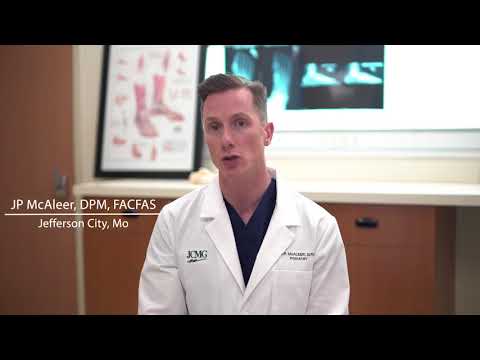
We distinguish between technical failures, where the surgical correction wasn’t sufficient for the severity of the deformity, and biological non-healing, where the bone simply failed to knit together. Sometimes, the hardware used in the first procedure might shift or fail. We also encounter patients with painless deformities where the visual bump returns without immediate discomfort. While these don’t always require an immediate trip back to the operating room, we prioritize a thorough evaluation to ensure your long-term mobility isn’t at risk.
The Most Common Reasons for Bunion Recurrence
Success in bunion surgery depends on precise angles. If the initial correction of the intermetatarsal angle was inadequate, the deformity often returns within a year. Another frequent culprit is underlying hypermobility in the midfoot. If the foundation of the foot is too flexible, a standard bone cut might not be enough to hold the correction. Additionally, patient-specific factors play a huge role. Smoking or uncontrolled diabetes can significantly hinder bone fusion, leading to a non-union where the bones fail to heal together, causing chronic post-operative pain.
When to Seek Help in Downer Grove
If you notice signs that your recovery is off-track, such as persistent swelling after several months or the big toe drifting toward the second toe again, it’s time to act. Some patients experience hallux varus, which is the over-correction of the big toe, causing it to point away from the other toes. Seeking failed bunion surgery help Downer Grove early is vital for a good outcome. A timely second opinion can prevent the development of secondary arthritis and give us more options for a successful revision that fixes the root cause rather than just the symptoms.
Common Complications After Bunion Surgery
Experiencing a setback after a major procedure is physically exhausting and emotionally draining. To support your overall wellness during this time, you can learn more about Women’s Mental Health Specialist and their specialized care for women. When you seek failed bunion surgery help Downer Grove, we start by identifying which specific complication is hindering your recovery. One of the most common issues is hallux varus. This happens when the big toe is over-corrected during the initial surgery, causing it to point inward, away from the other toes. It creates a “pigeon-toed” appearance that makes fitting into standard footwear nearly impossible and often results in a secondary set of painful symptoms.
Other patients struggle with malunion or non-union. In a malunion, the bone heals but at an incorrect angle, often because the initial correction didn’t account for the foot’s unique mechanics. In a non-union, the bone fails to knit back together entirely, which is often linked to hardware failure or poor blood supply. Research from 2026 indicates that hardware failure accounts for approximately 8.3 percent of surgical complications. While every procedure has inherent risks, being aware of the possible complications allows us to target the specific mechanical failure in your foot. You might also notice transfer metatarsalgia, which is a sharp, burning pain under the ball of the foot. This occurs because your weight has shifted away from the big toe joint onto the smaller, less stable metatarsals.
Structural vs. Functional Failures
It’s vital to distinguish between a structural failure and a functional one. A structural failure means the bone is physically misaligned, which is usually visible on a standard X-ray. A functional failure, however, can occur even if the toe looks perfectly straight. This usually involves severe joint stiffness or a significant loss of range of motion caused by excessive scar tissue, also known as fibrosis. This internal “glue” can lock the joint, making every step feel restricted and heavy. If your foot looks better but feels worse, our team at Illinois Podiatry Specialists can evaluate the dynamic movement of your joint to find a personalized solution.
Long-term Risks of Ignoring a Failed Procedure
Leaving a failed surgery unaddressed can lead to a cascade of secondary problems that are harder to treat later. The most pressing risk is early-onset osteoarthritis. When a joint isn’t aligned perfectly, the protective cartilage wears down prematurely, leading to bone-on-bone grinding. Over time, your foot may compensate for the pain by shifting pressure, which can lead to developing hammertoes or bunionettes on the pinky side. Chronic nerve entrapment is another concern; persistent inflammation or misplaced hardware can lead to permanent numbness or “electric” shooting pains. For patients whose recovery is complicated by multifaceted nerve issues, experts like Dr. Rodrigo Ávila Cervantes · Spine Neurosurgeon highlight the value of a comprehensive neurological perspective to ensure all potential pain sources are addressed. Addressing these issues now protects your future mobility and prevents permanent joint damage.
Diagnostic Excellence: Identifying the Root Cause of Failure
Identifying why your first procedure didn’t hold requires more than a quick glance at the surgical site. It’s a deep dive into the mechanical “why” behind your discomfort. When you seek failed bunion surgery help Downer Grove at our practice, we begin with a comprehensive clinical exam that validates your experience. We aren’t just looking for a straight toe; we’re assessing the quality of your skin, the presence of restrictive scar tissue, and the actual range of motion remaining in your joint. This initial investigation is the foundation of a successful second opinion.
Beyond the physical exam, we also examine the internal components of your previous repair. We check the “hardware” to ensure that screws haven’t loosened and plates haven’t shifted or broken. Even a tiny shift in a surgical pin can cause significant internal irritation. We combine this hardware check with a detailed biomechanical assessment to see how your overall foot structure might have contributed to the initial failure. If your foot has a naturally high arch or excessive midfoot flexibility that wasn’t addressed the first time, even a perfectly executed bone cut can eventually shift out of place.
Advanced Imaging and Gait Analysis
To get a complete picture of your foot’s health, we use dynamic gait assessment to observe how you move through our Downer Grove facility. This allows us to see exactly where your weight is shifting as you walk, which often reveals the root cause of new pains like transfer metatarsalgia. We may also utilize CT scans to assess the quality of your bone fusion in three dimensions, ensuring there are no hidden gaps or “non-unions” that standard X-rays might miss. Standing X-rays are a non-negotiable requirement for revision planning because they capture the true degree of deformity that disappears when the foot is unweighted.
The Role of Custom Orthotics in Diagnosis
Sometimes the best failed bunion surgery help Downer Grove involves stabilizing the foot without another immediate trip to the operating room. During your consultation, we test your foot stability to determine if mechanical support can alleviate your pain. We use these findings to see if redirecting pressure away from the sensitive joint can provide lasting relief. If we find that your foot mechanics are the primary driver of the recurrence, we may recommend a guide to Custom Molded Orthotics in Hinsdale to provide the structural foundation you need. This testing process ensures that if we do move forward with a revision, your new alignment is protected by the right long-term support.

Revision Surgery and Regenerative Recovery Pathways
Deciding to undergo a second procedure is a significant commitment that requires a high level of trust. When you seek failed bunion surgery help Downer Grove at our practice, we don’t just offer a “do-over.” We provide a strategic, tailored correction designed to address the specific mechanical or biological reason your first surgery didn’t hold. Revision surgery is often more complex due to the presence of existing hardware and scar tissue, but with a precise plan, it’s the most effective way to restore your foot’s natural alignment and function.
One of our primary tools for lasting correction is the “Lapidus Revision.” Many initial surgeries fail because they only address the bump without stabilizing the hypermobile joint at the foundation of the foot. By performing a revision at this midfoot joint, we can create a permanent, stable base that prevents the big toe from drifting again. We also recognize that surgery is only one part of the puzzle. We integrate regenerative medicine, such as Platelet-Rich Plasma (PRP) injections, to deliver concentrated growth factors that jumpstart bone healing and tissue repair in even the most challenging cases.
Surgical Options for Revision
Choosing the right surgical technique is vital for a successful outcome. Depending on your specific deformity, we might utilize an Akin Osteotomy to straighten the toe or a Scarf Revision to realign the metatarsal bone. In cases of severe joint damage or repeated failure, joint fusion, or arthrodesis, remains the gold standard for providing a pain-free, stable result. You can learn more about these different Bunion Surgery Options to understand which approach might be right for your unique situation.
Non-Surgical Support for Post-Op Healing
We’ve found that combining surgical expertise with advanced non-surgical therapies significantly improves recovery times. If you’re dealing with a non-union where the bone hasn’t healed properly, we often recommend Shockwave Therapy in Hinsdale. This technology uses acoustic pressure waves to stimulate blood flow and trigger the body’s natural bone-building cells. Additionally, we use Advanced Laser Therapy to manage chronic inflammation and break down restrictive scar tissue. This multi-modal approach ensures that your revision isn’t just a structural success, but a functional one that allows you to move without restriction. If you’re ready to explore a successful second procedure, contact Illinois Podiatry Specialists to schedule your personalized revision consultation.
Why Choose Illinois Podiatry Specialists for Your Second Opinion
When you’ve already been through one surgical procedure without the results you expected, the thought of a second opinion can feel overwhelming. At Illinois Podiatry Specialists, we’ve built our reputation on handling the most complex revision cases with a refined blend of clinical authority and genuine compassion. Dr. Fleischer and the Goshgarian team understand that you aren’t just looking for a technical fix; you’re looking for a way to return to your active lifestyle. If you’re searching for failed bunion surgery help Downer Grove, we offer a supportive environment where your history is respected and your future mobility is our primary focus.
Our practice is deeply rooted in the local community, and we take pride in the enduring relationships we build with our patients. We don’t view medical care as a series of cold procedures, but as a collaborative progression toward wellness. By choosing us, you’re partnering with experts who value transparency and thoroughness. We’re committed to restoring both movement and confidence in every patient we treat, ensuring that your path to recovery is as smooth and predictable as possible.
A Collaborative Path to Mobility
We don’t believe in starting from scratch when a better path is already visible through your history. We work closely with your previous records and operative reports to ensure a better outcome the second time around. This is the “IPS Difference.” We combine our high-level academic background with the neighborly trust you’d expect from a local expert. Our team develops personalized recovery plans that respect your specific lifestyle goals, whether you’re an athlete looking to return to regional events or someone who simply wants to walk through the neighborhood without discomfort. We listen to your story because your personal experience is a vital piece of the diagnostic puzzle.
Taking the Next Step in Downer Grove
Taking the next step toward a pain-free life should be straightforward and stress-free. We provide convenient care for patients throughout Downer Grove, Hinsdale, and Oak Brook, making it easy to access high-end podiatric expertise close to home. To make the most of your revision consultation, we recommend bringing the following items:
- Copies of your previous weight-bearing X-rays or advanced imaging like CT scans.
- Original operative reports from your first bunion surgery.
- A list of your current medications and any underlying health conditions.
- Notes on your specific symptoms and how they’ve changed since your first procedure.
Ready for a second opinion? Schedule your consultation today and let us help you find the definitive solution you deserve. We’re here to provide the expert failed bunion surgery help Downer Grove residents need to walk with confidence again.
Reclaim Your Movement and Confidence
A failed surgical outcome doesn’t have to be the final word on your mobility. By identifying the specific mechanical or biological cause of your discomfort through advanced diagnostics, we can develop a personalized path toward lasting relief. Whether your recovery requires a precise surgical revision or the supportive power of regenerative therapies like Shockwave and PRP, our team is dedicated to correcting the root of the problem once and for all. We’ve seen how a tailored approach can turn a frustrating setback into a successful recovery.
Finding expert failed bunion surgery help Downer Grove is about more than just fixing a bone; it’s about restoring your quality of life. Our board-certified podiatric surgeons are specialists in regenerative and surgical revision, proudly serving patients across Downer Grove and the Western Suburbs with compassionate, high-end medical care. We believe every patient deserves a collaborative partner who understands the nuances of their lifestyle and personal goals.
Don’t let chronic post-surgical pain hold you back from the activities you love. Schedule Your Bunion Revision Consultation Today and take the first step toward a pain-free future. We’re ready to help you walk with confidence again.
Frequently Asked Questions
Is it normal to have pain 6 months after bunion surgery?
Sharp or persistent pain six months after your procedure isn’t typical and usually indicates an underlying issue like hardware irritation or a non-union. While minor swelling can linger after a long day on your feet, you should be able to walk comfortably in supportive shoes by this stage of recovery. If you’re still relying on daily pain medication or find yourself unable to bear weight properly, a professional evaluation is necessary to ensure the bone has healed in the correct position.
Can a bunion grow back after it has been surgically removed?
Yes, bunions can recur if the initial surgery didn’t address the underlying structural instability of the foot, such as hypermobility in the midfoot. This recurrence is a primary reason why patients seek failed bunion surgery help Downer Grove at our specialized clinic. We focus on stabilizing the foundation of your foot during a revision to ensure that the big toe remains in its new, corrected alignment for the long term.
What are the signs that my bunion surgery hardware is failing?
Hardware failure often presents as a localized, sharp pain or a distinct clicking sensation when you move your toe. You might also notice a new, hard bump where a screw has loosened or a sudden increase in inflammation near the original incision site. We use weight-bearing X-rays to confirm if a plate or screw has shifted or broken, which allows us to determine if the hardware needs to be adjusted or removed.
How long is the recovery for a bunion revision surgery?
Recovery for a revision procedure is generally more involved than your first surgery because we must work through existing scar tissue and previous surgical sites. You can usually expect a six to twelve-week initial healing period before you’re ready to transition back into standard footwear. Our team provides a comprehensive recovery plan that includes physical therapy and advanced healing modalities to help you regain your range of motion as quickly as possible.
Will insurance cover a second opinion for a failed foot surgery?
Most major insurance providers cover second opinions for failed surgical outcomes, especially when chronic pain or structural deformity is present. Since a failed procedure can lead to secondary issues like arthritis, these evaluations are typically viewed as a medical necessity. It’s always a good idea to verify your specific benefits, and our office can assist you in understanding the documentation required for your consultation.
Can I avoid a second surgery with custom orthotics or laser therapy?
Non-surgical treatments can often manage your symptoms and provide enough relief to avoid or significantly delay another procedure. Custom orthotics are excellent for redistributing pressure away from the painful joint, while laser therapy can reduce chronic inflammation and soften restrictive scar tissue. While these options won’t physically move a misaligned bone, they can improve your daily comfort and functional mobility without the need for additional downtime.
What is hallux varus and can it be corrected?
Hallux varus is a complication where the big toe drifts too far away from the second toe, often due to over-correction during the initial surgery. It can make wearing shoes very difficult and cause significant walking imbalances, but it can be corrected through specialized revision surgery. We perform these corrections by rebalancing the tendons and realigning the joint to restore a natural, comfortable toe position.
Why does my second toe hurt more after my bunion was fixed?
Pain in the second toe is a common sign of transfer metatarsalgia, which occurs when the big toe isn’t properly bearing its share of your body weight. If the first metatarsal is too short or misaligned after surgery, the pressure shifts to the smaller, less stable joints of the other toes. Correcting the alignment of the big toe joint through a revision is the most effective way to relieve this secondary pressure and stop the pain in your smaller toes.