


What if the chronic ache in your lower back or the persistent strain in your knees actually has nothing to do with your spine or joints? Many of our neighbors here in Hinsdale find themselves exhausted after a short walk or notice their shoe soles wearing down unevenly, often unaware that professional foot alignment therapy could be the missing piece of the puzzle. You know that feeling when your body just feels “off,” but you can’t quite pin down why your movement has become a chore instead of a joy. We understand how these daily physical hurdles can dampen your spirit and limit your lifestyle.
The good news is that your path to comfort begins with understanding your foundation. We’re dedicated to helping you identify the subtle biomechanical shifts causing your discomfort and implementing non-invasive solutions to correct them. This article will guide you through the connection between your feet and the rest of your body, explaining how advanced gait analysis and custom molded orthotics can restore your mobility. You’ll discover how we utilize modern podiatric techniques to help you move pain-free and regain the confidence to stay active in our community.
Key Takeaways
- Understand how the 26 bones and 33 joints in your feet serve as the vital foundation for your body’s overall balance and stability.
- Learn about the kinetic chain and how subtle misalignments in your feet can lead to chronic pain in your knees, hips, and spine.
- Discover how professional foot alignment therapy offers a non-invasive way to correct biomechanical imbalances and restore your natural stride.
- Find out what to expect during a professional gait analysis and how we’ll use this technology to identify the root cause of your discomfort.
- Explore how we craft personalized care plans using custom molded orthotics to support your specific activity levels and wellness goals.
What is Foot Alignment Therapy and Why Does it Matter?
Professional foot alignment therapy is a specialized clinical approach that focuses on correcting the biomechanical imbalances within your feet. Think of your feet as the architectural foundation of a building; if the base is slightly tilted, every floor above it will eventually show cracks. By addressing how your feet interact with the ground, we can stabilize your entire musculoskeletal system and prevent the cascade of pain that often travels upward. Our team views this therapy not just as a treatment for pain, but as a vital recalibration of your body’s natural movement patterns.
Your feet are surprisingly complex, containing 26 bones and 33 joints that must work in perfect harmony to support your weight. When we evaluate your movement, we apply the principles of biomechanics to understand how force is distributed across these structures. Even a minor deviation in how these joints articulate can cause a ripple effect of discomfort. To help you visualize how these structural issues affect your gait, this video explains the mechanics of flat feet and over-pronation:
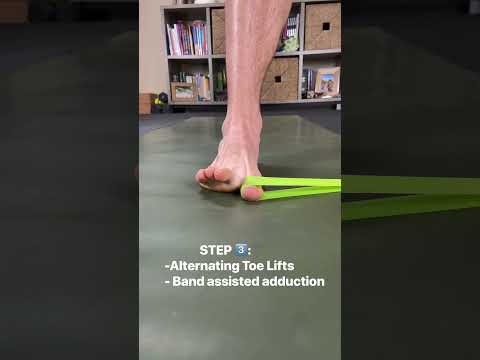
We often distinguish between “normal” structural variations and pathological misalignments that require professional care. Everyone has a unique gait, and some degree of variation is expected. However, when your foot’s structure prevents it from effectively absorbing shock or providing a stable lever for walking, it becomes a clinical concern. Ignoring these issues leads to accelerated “wear and tear” on your joints. Over time, this lack of proper foot alignment therapy can cause your body to compensate in ways that strain your soft tissues and bones.
Common Signs Your Alignment is Compromised
Identifying alignment issues early can save you from years of chronic discomfort. You don’t need to be a medical expert to notice the red flags. Watch for these specific indicators in your daily life:
- Uneven shoe wear: Look at the heels or balls of your favorite shoes. If one side is significantly more worn than the other, your weight isn’t distributing correctly.
- Frequent instability: If you experience regular ankle sprains or simply feel “clumsy” while walking on flat surfaces, your foundation may be unstable.
- Radiating pain: Persistent aching in your arches or heels is a clear sign, but unexplained lower back pain often stems from the feet as well.
The Long-Term Risks of Poor Foot Biomechanics
Leaving a misalignment untreated isn’t just about enduring minor aches. It’s about protecting your future mobility. Without intervention, poor biomechanics can lead to more serious conditions that are harder to manage later in life:
- Structural Deformities: Issues like bunions and hammertoes often develop or worsen because of improper pressure distribution.
- Tissue Inflammation: Constant strain increases your risk of chronic tendonitis and painful conditions like plantar fasciitis.
- Joint Degeneration: When your feet don’t align, your knees and hips must compensate. This often leads to accelerated osteoarthritis in those major joints, making every step a challenge.
The Kinetic Chain: How Foot Alignment Affects Your Entire Body
The kinetic chain is a fundamental concept in sports medicine and podiatry that explains why your pain isn’t always located where the problem starts. In the context of podiatric health, the kinetic chain refers to the mechanical system where foot movement initiates a sequential chain of forces through the ankles, knees, hips, and spine. When your foundation is unstable, every joint above it must shift to compensate. This is why our team looks beyond the foot to understand your total body wellness. We don’t just see a foot; we see the starting point for your entire posture.
Overpronation, or the excessive inward rolling of the foot, is a common culprit in these chain reactions. As the arch collapses, it forces the lower leg to rotate internally. This rotation travels up to the knee and eventually causes the hip to tilt forward, which can lead to significant discomfort during daily activities. Conversely, supination occurs when the foot rolls outward too much. This rigid foot position fails to absorb shock effectively. Without that natural cushioning, the impact of every step travels directly into your shins and lower back. Professional foot alignment therapy addresses these mechanical failures before they cause permanent joint damage.
To ensure we provide the most accurate care, we often reference the radiological evaluation of foot alignment to see how these bones interact under stress. This level of detail helps us pinpoint exactly where the chain is breaking down and how it’s affecting your movement. If you feel that your posture is constantly slipping out of place, visiting illinoispodiatryspecialists.com for a biomechanical assessment can provide the long-term stability your spine needs.
Foot Misalignment and Chronic Knee Pain
Many of our patients come to us after years of struggling with “runner’s knee” or patellofemoral pain syndrome. These issues often arise because the kneecap isn’t tracking correctly in its groove, which is a direct result of improper foot tracking. If your feet are flat, the resulting internal rotation puts immense strain on your ACL and meniscus. By stabilizing the foot, we often see a significant reduction in knee inflammation. Addressing the feet is frequently the most effective first step in resolving persistent knee strain without resorting to surgery.
The Link Between Your Arches and Lower Back Health
Your lower back is remarkably sensitive to how your feet hit the ground. When one arch drops more than the other, it creates a functional leg-length discrepancy. This subtle imbalance forces your pelvis to tilt, which creates compensatory muscle strain in your lumbar region. We’ve seen many cases where patients find that their need for frequent chiropractic adjustments decreases once their gait is stabilized. Foot alignment therapy works to balance these forces, allowing your back muscles to relax and your spine to maintain its natural, healthy alignment.
Modern Treatment Options for Better Foot Alignment
Many patients worry that correcting their gait means wearing heavy, orthopedic boots or undergoing invasive surgery. That’s simply not the case with modern foot alignment therapy. Today’s clinical approach is sophisticated, discreet, and highly effective. We focus on a multi-modal strategy that combines structural support with advanced recovery technologies. This ensures your soft tissues are prepared for the biomechanical changes we’re implementing, making the transition feel natural and supportive rather than restrictive. Our goal is to integrate these solutions into your daily life so you can return to the activities you love without the burden of chronic pain.
A successful treatment plan isn’t just about a single device or procedure. It’s about creating a collaborative progression toward wellness. This often involves preparing the tendons and ligaments to accept a new, healthier position. By addressing the inflammation that has built up over years of misalignment, we clear the path for structural correction. This holistic mindset is what distinguishes professional podiatric care from temporary fixes found in a pharmacy aisle.
Custom Molded Orthotics vs. Over-the-Counter Inserts
While drug-store insoles offer temporary cushioning, they lack the corrective power needed for clinical realignment. True therapy requires custom molded orthotics tailored to your unique anatomy. We use advanced technology to capture a precise 3D model of your foot structure while it’s in its ideal neutral position. This ensures the device supports your specific arch height and heel position perfectly. Depending on your activity level and lifestyle, we may recommend semi-rigid materials for maximum control or accommodative materials for increased comfort. These devices are designed to fit into your existing footwear, providing a sleek solution that works behind the scenes to stabilize your foundation.
Complementary Therapies: Laser and Shockwave
Correcting your alignment isn’t just about shifting bones; it’s about healing the soft tissues that have been strained by years of imbalance. We often utilize Shockwave Therapy to address chronic inflammation in the fascia and tendons. This non-invasive treatment uses acoustic waves to trigger the body’s natural healing response. For patients with acute pain, Laser Therapy provides a way to accelerate cellular repair and reduce swelling without medication. To round out your recovery, we might suggest a specific Foot and Ankle Conditioning Program to strengthen the muscles that support your new alignment. This regenerative approach ensures that as your structure improves, your muscles and tendons have the resilience to keep you moving forward with confidence.

Professional Evaluation: What to Expect During a Gait Analysis
Your journey toward a more stable foundation begins with a thorough understanding of how you move. We don’t believe in one-size-fits-all solutions. Instead, our team takes the time to listen to your history, from the sports you played at Hinsdale Central to the daily walks you take through Katherine Legge Memorial Park. This initial clinical consultation is where we map out your specific pain points and activity goals. It’s a collaborative effort to ensure your foot alignment therapy addresses the unique demands of your lifestyle. We want to know when the pain started, what makes it worse, and what you hope to achieve through professional care.
One of the most valuable diagnostic tools you can bring to your appointment is a pair of your most-worn shoes. The wear patterns on your soles tell a story that your feet alone might hide. By analyzing where the rubber has thinned, we can see exactly how your weight distributes during every mile. This tangible evidence helps us build a personalized alignment plan that isn’t just based on theory, but on the reality of your daily movement. It’s these small, clinical details that allow us to provide a level of care that goes far beyond a generic shoe insert.
Visual and Digital Gait Analysis
Our assessment involves observing your foot’s behavior through the three critical phases of a step: heel strike, mid-stance, and toe-off. We use advanced gait analysis technology to identify “hidden” compensations. These are the subtle shifts your body makes to avoid pain, which you might not even realize you’re doing. Digital pressure mapping allows us to see high-stress areas on your sole in real-time. This data-driven approach ensures that our recommendations for foot alignment therapy are precise and medically sound, targeting the exact areas where your foundation is failing.
Biomechanical Measurements and Joint Range of Motion
A professional exam also includes measuring the flexibility and range of motion in your key joints. We test the flexibility of the Great Toe, which is essential for the “windlass mechanism” that naturally tightens your arch during movement. We also measure ankle dorsiflexion to check for “equinus,” a condition where tight calf muscles pull on the foot’s structure and cause premature heel lift. By assessing the subtalar joint for excessive pronation or supination, we can determine the exact level of support your custom orthotics will need to keep you balanced.
Ready to see the data behind your stride and start your path to pain-free movement? You can schedule your comprehensive gait analysis with our expert team today.
Personalized Alignment Plans at Illinois Podiatry Specialists
At Illinois Podiatry Specialists, we believe that effective medical care is a collaborative progression toward your personal wellness goals. We’re deeply rooted in the Hinsdale and Glendale Heights communities, and our team, led by experts like Dr. Fleischer and the Drs. Goshgarian, brings decades of combined clinical experience to every patient interaction. We don’t just provide a service; we build enduring relationships based on trust and a shared commitment to your mobility. Our neighbors trust us because we understand that your foot health directly impacts your ability to enjoy everything our local area has to offer, from weekend rounds at the golf course to morning runs through our beautiful parks.
For the athletes in our community, we often find that structural imbalances are the underlying cause of persistent soft tissue injuries. This is why we seamlessly integrate Achilles Tendonitis Treatment with our broader foot alignment therapy. By addressing the mechanical root of the strain while simultaneously treating the inflamed tendon, we help you return to your sport faster and with a lower risk of reinjury. Patient education is a cornerstone of this process. We ensure you understand the “why” behind your treatment, empowering you to maintain your alignment results long after you leave our clinic.
A Collaborative Path to Mobility
Your recovery is a journey that we navigate together. We begin by setting realistic milestones for pain reduction and the resumption of your favorite activities. As your foot structure improves and your gait stabilizes, we’ll adjust your custom orthotics and therapy plans to match your progress. We also pride ourselves on coordinating care with other local specialists. Whether you’re working with a physical therapist in Westmont or a primary care doctor in DuPage County, we ensure everyone is aligned on your path to wellness. This integrated approach provides the most comprehensive support for your musculoskeletal health.
Schedule Your Alignment Consultation Today
If you live in Hinsdale, Oak Brook, or Westmont, professional relief is just around the corner. We offer a convenient location and flexible scheduling designed to accommodate the busy lives of local families. You don’t have to accept the daily discomfort of “bad feet” as an inevitable part of life. Our advanced diagnostics and personalized foot alignment therapy are designed to restore your foundation and give you back your freedom of movement. Contact us today to take the first step toward a pain-free future; we’re ready to help you move with confidence once again.
Reclaim Your Natural Stride and Mobility
Your feet are the architectural foundation of your entire body. When they’re out of sync, the ripple effect travels through your knees and spine, causing unnecessary strain and fatigue. By embracing professional foot alignment therapy, you aren’t just treating a temporary symptom; you’re investing in a future of effortless movement. Our team combines decades of clinical expertise from Dr. Fleischer and the Drs. Goshgarian with state-of-the-art diagnostic gait analysis to ensure every step you take is balanced and medically supported.
We offer a comprehensive range of non-surgical options, including advanced Laser and Shockwave therapy, to help you transition from chronic pain to active living. You deserve a life where your movement feels like a joy rather than a chore. Whether you’re walking through downtown Hinsdale or training for your next local event, we’re here to support every step of your journey. Request Your Foot Alignment Evaluation in Hinsdale today and start your collaborative progression toward wellness. We can’t wait to help you move with confidence again.
Frequently Asked Questions
Can foot alignment therapy fix flat feet in adults?
Yes, professional therapy can functionally correct the biomechanical issues caused by flat feet even after your bone structure has matured. While we can’t change the shape of adult bones, foot alignment therapy uses custom supports and clinical procedures to reposition your joints into a healthier orientation. This prevents the arch from collapsing further and stops the destructive internal rotation that often leads to knee and hip strain.
How long does it take to see results from alignment therapy?
Many patients experience a noticeable improvement in their comfort levels within the first two to three weeks of consistent treatment. However, full structural adaptation is a collaborative progression that typically takes several months. During this time, your muscles and tendons gradually adjust to their new, balanced positions. We monitor your progress closely to ensure your body is adapting smoothly to these healthy mechanical changes.
Is foot alignment therapy covered by insurance in Illinois?
Coverage for these services varies widely depending on your specific insurance provider and the details of your individual plan. Most Illinois insurance policies cover the initial clinical evaluation and diagnostic gait analysis when medical necessity is established. We recommend contacting your insurance carrier directly to verify your benefits for specialized podiatric treatments and custom medical devices before your appointment.
Do I need a referral to see a podiatrist for alignment issues?
Most PPO insurance plans in Illinois don’t require a formal referral from a primary care physician to see a podiatric specialist. If you’re covered by an HMO, you might need a referral to ensure your visit is covered by your network. It’s always a good idea to check your plan’s requirements, but we welcome patients who are ready to take a proactive step toward better mobility.
Can poor foot alignment cause hip and back pain?
Absolutely, because your body functions as an integrated kinetic chain where every movement affects the next link. When your feet don’t provide a stable base, your knees, hips, and lower back must shift and tilt to compensate for the imbalance. This constant compensation leads to chronic muscle fatigue and joint inflammation. Proper foot alignment therapy stabilizes your foundation, which often resolves persistent pain in the upper body.
Will I need to wear special shoes forever if I start alignment therapy?
No, you won’t be limited to a specific type of “orthopedic” shoe for the rest of your life. Modern custom orthotics are sleek and versatile, designed to fit discreetly into most of the footwear you already own. Whether you’re wearing athletic shoes for a walk through Westmont or dress shoes for a professional event in Hinsdale, you can maintain your alignment without sacrificing your personal style.
What is the difference between physical therapy and podiatric alignment therapy?
Podiatric alignment therapy focuses on the medical recalibration of the foot’s structural foundation using advanced diagnostics and corrective devices. We address the actual mechanical position of the 26 bones in your foot. Physical therapy is a wonderful complement that focuses on strengthening the muscles and improving the flexibility of the tissues that move those bones. We often coordinate with local therapists to provide a truly holistic recovery.
How often do custom orthotics for alignment need to be replaced?
Most high-quality custom orthotics provide effective support for two to five years depending on your daily activity levels. Over time, the materials may settle or your foot structure might undergo subtle changes that require a new prescription. We recommend a brief annual checkup to ensure your devices are still providing the precise level of correction needed to keep your body in perfect balance.