


What if the persistent ache in your arches or the visible shift of a bunion isn’t a permanent sentence, but a structural challenge waiting for a sophisticated solution? We know how exhausting it feels to navigate daily life when every step is a reminder of your discomfort. You’ve likely tried the drugstore inserts and the wider shoes, yet the fear remains that traditional, invasive surgery is the only road left. Fortunately, modern corrective foot surgery options have evolved significantly, with minimally invasive techniques now offering a path toward much faster recovery and a 95% success rate for certain corrections.
We’re here to show you that a return to pain-free movement is possible through a collaborative, personalized approach. You’ll discover how a synergy of regenerative therapies, custom orthotics, and modern surgical precision can restore your natural alignment and rebuild your foundation from the ground up. We’ll walk through how these advanced treatments work together to correct visible deformities and provide lasting relief, helping you reclaim the active lifestyle you deserve without relying on temporary fixes or constant medication.
Key Takeaways
- Understand the vital link between your foot’s anatomical alignment and the long-term health of your entire kinetic chain, including your knees and hips.
- Identify how progressive deformities like bunions impact your stability and why early intervention is key to preventing permanent structural failure.
- Explore non-surgical restoration paths, such as Shockwave Therapy and regenerative medicine, that work at a cellular level to heal damaged tissue.
- Learn when to transition to advanced corrective foot surgery options to achieve precise bone realignment and muscle balance in complex cases.
- Discover how a personalized plan from local experts in DuPage County can return you to the activities you love with confidence and comfort.
Understanding Foot Structure Restoration: Rebuilding Your Foundation
Think of your feet as the foundation of a high-rise building. If the basement level shifts or cracks, the entire structure feels the strain. The human foot is a complex architectural marvel, containing 26 bones and more than 30 joints that must work in perfect harmony to support your weight. Foot structure restoration is the specialized medical process of returning these components to their optimal anatomical alignment. We don’t just look at the surface; we focus on the intricate mechanics that allow you to walk, run, and stand without discomfort.
Many patients come to us after years of trying temporary solutions like over-the-counter arch supports or pain medication. While these might offer short-term relief, they don’t address the underlying structural failure. True restoration is about long-term correction. When your feet are out of alignment, the impact travels upward through your “kinetic chain.” This means a misaligned foot can be the secret culprit behind chronic pain in your knees and hips. By prioritizing Foot and ankle surgery or advanced regenerative treatments, we aim to protect your entire body’s health by stabilizing its base.
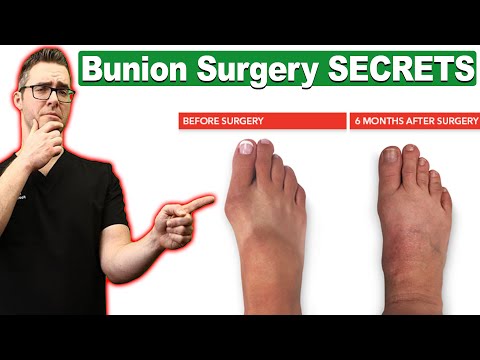
To better understand how these structural corrections work in practice, watch this helpful video:
Why Structural Integrity Matters for Mobility
Your arches act as a natural bridge, held in place by a sophisticated network of ligaments and tendons. When this structural integrity fails, such as when arches collapse into a flat-footed position, it creates a domino effect of secondary injuries. Ligaments become overstretched and tendons can become inflamed or torn. Restoring this foundation isn’t merely a cosmetic choice; it’s a functional necessity for anyone who values an active lifestyle. We view structural health as the primary bridge to returning you to the activities you love most.
Common Signs Your Foot Structure is Compromised
How do you know if your foundation is actually failing? Visible cues are often the first warning signs. Bunions, hammertoes, and visibly collapsing arches all indicate that your bones have shifted from their healthy positions. You might also notice that your shoes are wearing down unevenly. If the inner or outer edges of your soles disappear faster than the rest, it’s a clear diagnostic signal that your weight isn’t being distributed correctly. Chronic calluses on the balls of your feet or the sides of your toes are another red flag. When these signs appear, it’s time to evaluate corrective foot surgery options to prevent further damage and reclaim your comfort. We’re committed to helping you identify these issues early so we can build a personalized plan for your recovery.
By understanding the “why” behind your pain, you’re already one step closer to a solution. Whether your goal is a morning jog through the park or simply walking through the grocery store without a limp, addressing the root cause is the only way to achieve lasting results. Modern corrective foot surgery options now allow for more precise bone realignment and better muscle balancing than ever before, ensuring your foundation remains strong for years to come.
Why Do Feet Lose Their Natural Alignment?
Your feet are remarkably resilient, but they aren’t invincible. Understanding why they lose their natural alignment is the first step toward finding a lasting solution. For many, the journey toward structural failure begins with genetics. You might inherit your grandmother’s high arches or your father’s tendency toward flat feet. These pre-determined shapes set the stage for how your weight is distributed across those 26 bones we mentioned earlier. When your biological blueprint isn’t perfectly balanced, certain joints take on more stress than they were designed to handle.
The Impact of Modern Footwear and Trauma
Fashion often comes at a functional price. Narrow toe boxes and high heels are major contributors to hammertoes and bunions because they force the forefoot into an unnatural, cramped position. This is exacerbated by our environment. In the Chicagoland area, we spend the majority of our time walking on unforgivingly hard, flat surfaces like concrete, hardwood, and tile. Unlike soft earth, these surfaces provide zero shock absorption, placing immense mechanical stress on your arches with every step.
Acute trauma also plays a significant role. A single “minor” ankle sprain that goes untreated can lead to long-term ligamentous instability. When those ligaments don’t heal correctly, the small bones in your midfoot can lose their tight configuration, leading to a slow but steady structural collapse. If you’re struggling with the aftermath of an old injury, our team can help you determine if custom molded orthotics or more advanced interventions are necessary to stabilize your gait.
Degenerative Changes and Chronic Conditions
Degenerative conditions like arthritis can also erode joint alignment. Arthritis wears down the protective cartilage between your joints, leading to bone-on-bone friction that physically alters the shape of your foot over time. For patients managing metabolic health, diabetic foot care management is vital. Without careful monitoring, conditions like Charcot foot can cause sudden, severe structural collapse that requires immediate attention.
Often, the goal of procedures like Bunion Surgery is to realign the joint and balance muscle tension before the deformity causes permanent damage to the surrounding toes. Whether it’s adult-acquired flatfoot or a slowly developing bunion, these conditions are almost always progressive. They don’t get better on their own, which is why early evaluation of corrective foot surgery options is so important for maintaining your mobility as the years pass.
Non-Surgical Paths to Foot Restoration and Pain Relief
While many patients fear that a structural issue automatically means a trip to the operating room, modern podiatry offers several high-tech alternatives. We believe in a conservative-first approach whenever possible. Before discussing corrective foot surgery options, we often look at biological ways to restart the body’s natural healing response. These therapies don’t just mask the discomfort; they work at a cellular level to restore the integrity of the soft tissues that support your foot’s architecture.
One of the most effective tools in our arsenal is Shockwave Therapy. This non-invasive treatment uses acoustic pressure waves to penetrate deep into damaged fascia and tendons. It’s particularly useful for “re-starting” the healing process in chronic conditions that have stalled. When combined with Advanced Laser Therapy, which uses specific light wavelengths to reduce movement-preventing inflammation, we can often achieve significant pain relief and improved mobility without a single incision.
Advanced Regenerative Medicine: PRP and Shockwave
Regenerative medicine has changed how we treat structural instability. Platelet-Rich Plasma (PRP) injections utilize the growth factors found in your own blood to accelerate the repair of strained tendons and ligaments. This is a game-changer for Achilles Tendonitis Treatment, where traditional healing is often slow due to limited blood flow in the area. Shockwave Therapy further supports this by breaking up stubborn scar tissue, allowing new, healthy fibers to take its place and provide better support for your arches.
Custom Molded Orthotics: Structural Support
Think of Custom Molded Orthotics as the architectural shoring for your feet. Retail inserts provide a bit of generic cushioning, but they can’t correct a misaligned bone. Our process involves precise 3D scanning to capture the unique structural needs of your foot. These medical-grade devices provide a permanent brace that holds your foot in its ideal anatomical position during every step. By correcting your gait, orthotics prevent the further collapse of your arches and protect your kinetic chain from the ground up.
In cases where these non-surgical paths aren’t enough to correct a significant deformity, we may then discuss minimally invasive corrective foot surgery techniques. These procedures are designed to realign the bone structure when biological healing and external support have reached their limits. Our goal is always to find the most effective, least invasive path to getting you back on your feet with confidence. Whether your journey starts with regenerative medicine or eventually requires corrective foot surgery options, we’ll be with you every step of the way.

Corrective Foot Surgery Options: Restoring Function in Complex Cases
While we always prioritize conservative treatments, there comes a point where non-surgical methods can’t overcome advanced mechanical failure. When bone migration has progressed significantly, or when a deformity like a bunion has reached a point of constant pain, surgery becomes the most effective path toward restoration. We don’t view surgery as a cold, clinical procedure, but as a precise recalibration of your foundation. Our goal is to realign the bone structure while simultaneously balancing the surrounding muscle tension to ensure your foot functions as a unified whole once again.
Choosing the right corrective foot surgery options requires a deep understanding of whole-foot biomechanics. Modern podiatric surgery has moved far beyond simple “bone shaving.” We focus on functional outcomes that prioritize a faster return to your daily life. By addressing the root cause of the structural shift, we can achieve an overall success rate between 85% and 95% for corrective procedures. This collaborative progression toward wellness ensures that your surgery isn’t just about fixing a visible issue, but about restoring your ability to move with confidence.
Modern Bunion Surgery and Hammertoe Correction
Advanced Bunion Surgery is designed to do more than just remove a bump; it restores the first metatarsal to its healthy, original position. This realignment is crucial because it stabilizes the entire forefoot and prevents the “domino effect” of pressure on your other toes. Similarly, hammertoe correction focuses on uncurling the toes to restore a natural gait and eliminate painful friction against your shoes. In cases of advanced bone migration, surgery is often the only way to physically move the skeletal structure back into a functional alignment that supports your weight correctly.
Post-Operative Care: Protecting Your Restored Structure
The success of reconstructive surgery depends heavily on what happens after you leave the operating room. Most patients begin a gradual return to activity within a few weeks, but the full restoration of strength takes a bit longer. We often integrate physical therapy and custom orthotics into your recovery plan to ensure your new alignment is protected as you regain mobility. Additionally, specialized medical pedicures play a vital role in maintaining skin health and managing calluses while your gait adjusts to its new, corrected pattern.
If you’re ready to discuss how we can rebuild your foundation through advanced corrective foot surgery options, we’re here to guide you through every step of the process. Schedule a consultation with our expert team to discover which surgical path is right for your unique goals and lifestyle.
Start Your Restoration Journey in Hinsdale and Glendale Heights
Rebuilding a damaged foundation takes more than just a quick fix; it requires a team that understands how every bone and ligament contributes to your daily quality of life. At Illinois Podiatry Specialists, we’ve established ourselves as the premier destination for structural health within DuPage County. We’re deeply rooted in this community, providing a bridge between lifestyle foot care and high-end medical intervention. Whether you’re a regular at regional athletic events or simply want to walk through the Morton Arboretum without pain, our mission is to restore your movement and your confidence.
We’ve designed our practice to be as accessible as possible for our neighbors. With our office in Hinsdale, we offer convenient specialized care for patients traveling from Oak Brook, Westmont, Downer Grove, Burr Ridge, and La Grange. We understand that your time is valuable, but we also know that true restoration shouldn’t be rushed. Our team is dedicated to enduring relationships, ensuring that you feel medically informed and personally supported from your first assessment through your final milestone of recovery.
Personalized Care Plans at Illinois Podiatry Specialists
Every foot tells a unique story of wear, genetics, and activity. That’s why we don’t believe in cookie-cutter treatment protocols. Every restoration plan we develop is custom-built for the individual, utilizing a collaborative approach between our surgical and regenerative experts. We use the latest diagnostic technology to visualize structural failures long before they become debilitating. By identifying these shifts early, we can often combine conservative therapies with targeted corrective foot surgery options to achieve a result that feels natural and lasts for a lifetime.
What to Expect During Your Initial Consultation
Your journey begins with a comprehensive structural assessment that goes far beyond a simple visual check. We perform a detailed gait analysis to see exactly how your foot structure responds to the mechanics of walking. This physical examination helps us pinpoint the root cause of your discomfort, whether it’s a collapsing arch or a progressive bunion. We always prioritize non-surgical paths like custom orthotics or shockwave therapy whenever possible, moving toward surgical intervention only when it’s the most effective way to restore your foundation.
We’re ready to help you take the first step toward a life without limits. By combining clinical authority with a warm, patient-centered approach, we ensure that your path to wellness is a shared progression. Schedule your consultation with Illinois Podiatry Specialists today. and let’s start rebuilding your foundation together.
Reclaim Your Step and Restore Your Foundation
Your feet are the architectural foundation for your entire body’s movement. We’ve explored how progressive deformities and lifestyle stresses can lead to structural failure, but we’ve also seen that modern podiatry offers a clear path back to alignment. Whether your restoration requires the precision of corrective foot surgery options or the biological healing of advanced regenerative therapies, you don’t have to navigate this journey alone. Our team is here to ensure every step you take is a move toward a more active, pain-free life.
With decades of podiatric expertise in Hinsdale and Glendale Heights, we combine advanced on-site laser and shockwave technology with custom molded orthotics tailored to your unique biomechanics. This synergy of care addresses the root cause of your discomfort while protecting your overall kinetic chain. It’s time to stop merely managing your symptoms and start rebuilding your foundation from the ground up. Request an Appointment for a Structural Foot Assessment today. We’re dedicated to helping you walk with renewed confidence and comfort.
Frequently Asked Questions
What is the most effective way to restore a collapsed arch?
The most effective approach involves a combination of structural support and biological healing. We typically utilize custom molded orthotics to physically lift and stabilize the arch while integrating Shockwave Therapy to strengthen the posterior tibial tendon. This dual strategy addresses both the mechanical failure and the underlying tissue weakness. For advanced cases where the arch has completely flattened, we may evaluate surgical realignment to restore the foot’s natural bridge.
Can custom orthotics actually change the structure of my foot over time?
Custom orthotics don’t permanently reshape the skeletal structure of an adult foot, but they do provide the necessary architectural shoring to maintain a healthy alignment while you’re active. Think of them as a corrective brace that prevents further structural collapse. By holding your foot in its ideal anatomical position, they reduce strain on ligaments and tendons, which stops progressive deformities like bunions from worsening as the years pass.
Is bunion surgery the only way to fix my foot’s shape?
Surgery is the only method to physically realign bones that have migrated significantly, but it isn’t always the first step in your journey. For mild shifts, we focus on early intervention using wider footwear and custom orthotics to manage muscle tension. However, once a bunion becomes a fixed structural deformity, advanced corrective foot surgery options are the most reliable way to restore the metatarsal to its original, healthy position.
How long does it take to see results from regenerative foot therapies like Shockwave?
Most patients begin to feel a reduction in chronic pain after three to four weekly sessions. Because Shockwave Therapy works by restarting your body’s natural healing response at a cellular level, the full restorative results typically peak around eight to twelve weeks after the final treatment. This timeline allows for the gradual repair of damaged fascia and the breakdown of stubborn scar tissue that was previously limiting your mobility.
What happens if I ignore structural foot issues like hammertoes?
Ignoring structural issues like hammertoes leads to a progressive stiffening of the deformity that eventually makes it impossible to straighten the toe manually. Over time, this imbalance shifts your weight distribution, causing painful calluses and increasing the risk of secondary injuries in your knees and hips. Early treatment prevents these minor misalignments from evolving into complex cases that require more extensive surgical intervention to restore basic daily function.
Does insurance typically cover foot structure restoration procedures?
Most insurance plans, including Medicare, provide coverage for restoration procedures that are deemed medically necessary. If your condition causes persistent pain, limits your daily activities, or results in a functional deformity, treatments like hammertoe correction or bunion surgery are usually covered. We recommend checking with your specific provider regarding coverage for specialized custom orthotics, as plan benefits for durable medical equipment can vary between different regional carriers.
Are there specific exercises that help with foot restoration?
Exercises like towel curls and marble pickups are excellent for strengthening the intrinsic muscles that support your arch. While these movements improve the stability of your bridge, they cannot physically move bones back into place once a structural shift has occurred. We view exercise as a vital supportive tool that works alongside custom orthotics and other corrective foot surgery options to maintain your foot’s long-term functional health and flexibility.
How do I know if I need a podiatrist or just better shoes?
If you experience persistent pain that lasts more than a few days despite wearing supportive, well-fitting shoes, it’s time for a professional assessment. Visible deformities, uneven wear patterns on your soles, or pain that radiates into your ankles and knees are clear signals of a structural issue. A podiatrist provides the diagnostic gait analysis needed to determine if your foundation requires medical intervention rather than just a new pair of sneakers.